Technique wins exchanges; conditioning wins fights. A tired fighter drops their hands, stops moving their head and makes slow decisions. The good news is that conditioning is the most trainable quality in combat sports, if you train for the format you actually compete in.
Know your round structure
| Format | Rounds | Rest |
|---|---|---|
| Amateur boxing | 3 x 3 min | 1 min |
| Professional boxing | 4 to 12 x 3 min | 1 min |
| Kickboxing (K-1 style) | 3 x 3 min, more for titles | 1 min |
| Professional Muay Thai | 5 x 3 min | 2 min in Thailand, often 1 min elsewhere |
| MMA | 3 x 5 min; 5 x 5 for titles and main events | 1 min |
Your intervals should mirror those numbers. An MMA fighter who only does three-minute rounds on the bag will be surprised by the last two minutes of a real round.
The three engines
- Aerobic base. Easy runs, cycling or skipping at a conversational pace, two or three times a week, 30–45 minutes. This is what lets you recover between rounds and between exchanges.
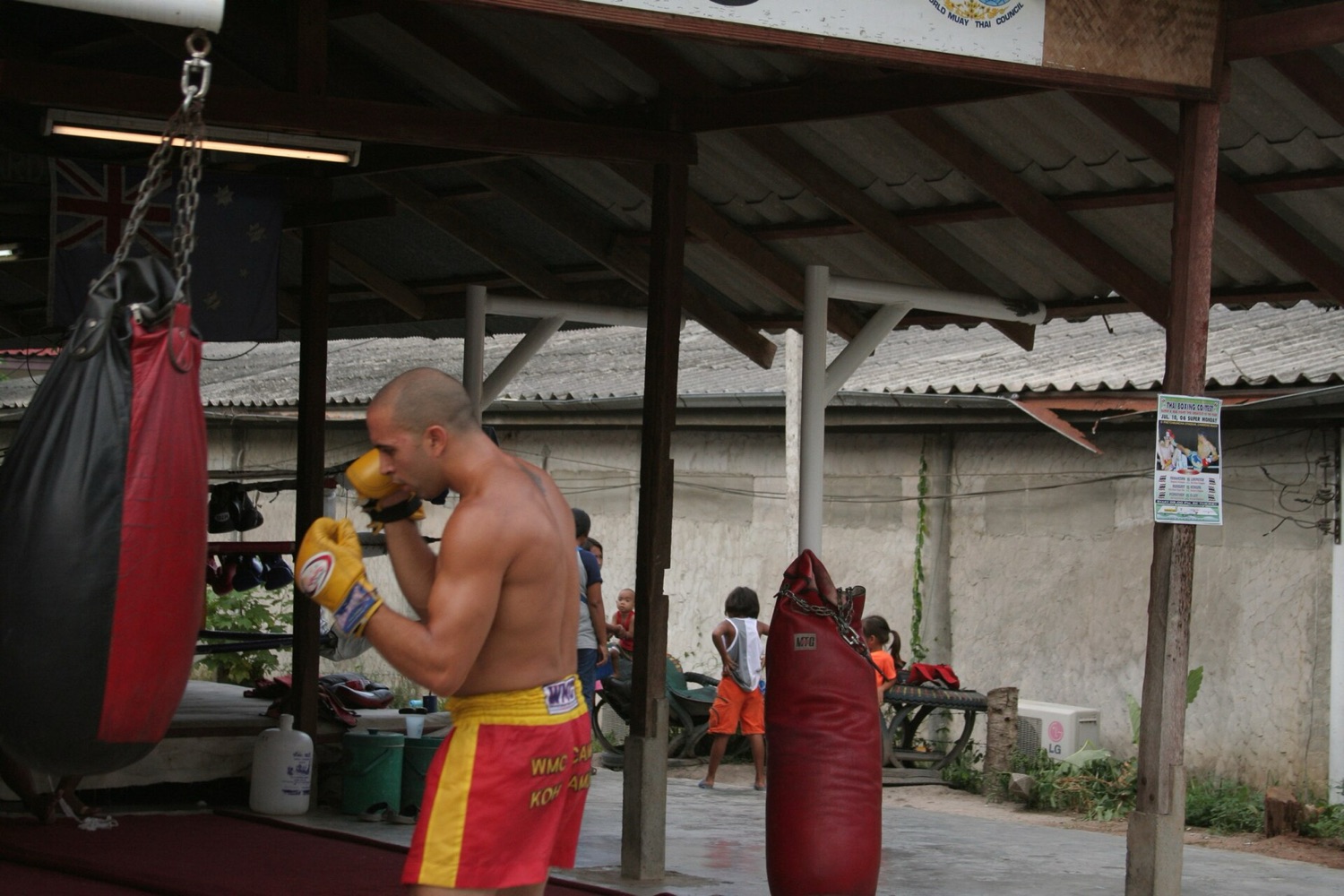
- Anaerobic power. Hard intervals: 30 seconds all-out on the bag, 30 seconds easy, repeated for a round's length. Once or twice a week.
- Fight-specific work. Pad rounds, sparring and drilling at fight pace. This is where conditioning meets technique.
Strength without slowing down
Two short strength sessions a week are enough for most fighters: a squat or deadlift variation, a push, a pull, loaded carries and core work. Keep repetitions moderate and avoid training to exhaustion before a technical session. Strength makes you harder to move and helps prevent injury.
Testing with the beep test
The multi-stage fitness test, or beep test, was developed by researcher Luc Léger and colleagues and is used by schools, armies and sports teams worldwide. You run 20-metre shuttles in time with beeps that speed up each level, until you can no longer keep pace. Test every four to six weeks and you get a simple, honest record of your aerobic fitness. Our two-week home plan uses it as a baseline.
Recovery is training
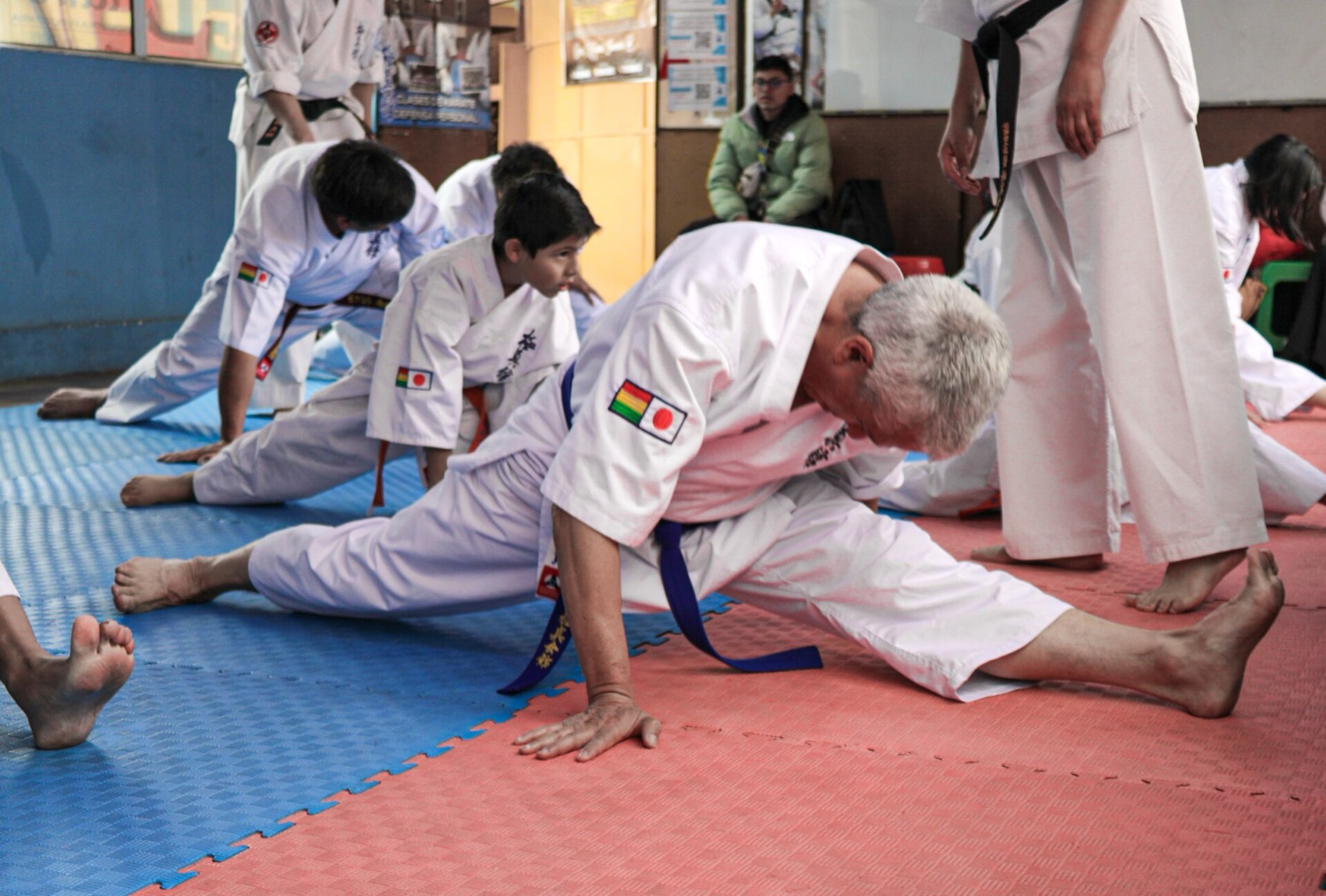
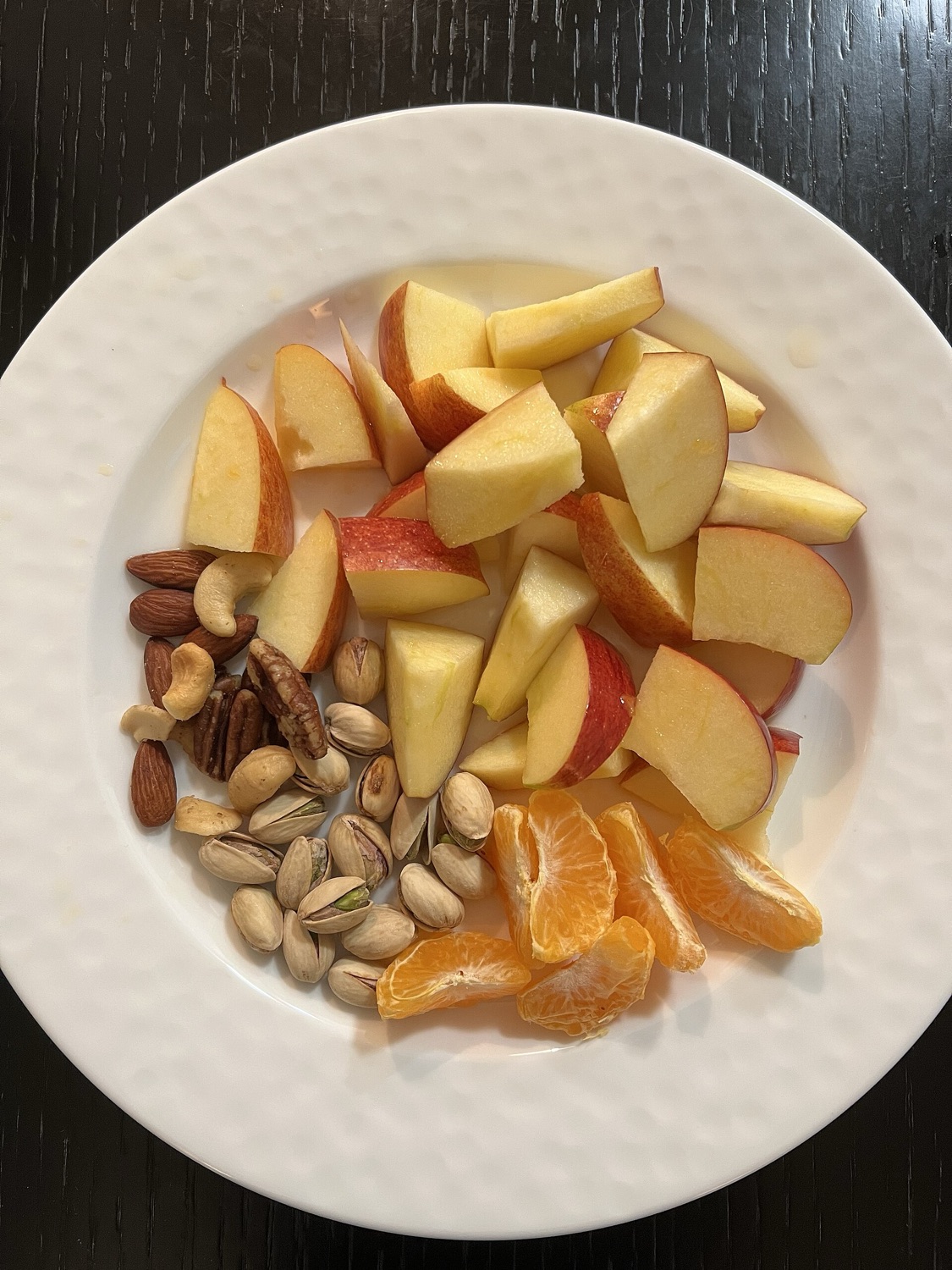
Sleep seven to nine hours, eat enough protein and carbohydrate (see recovery meals), schedule a lighter week every month or so, and stretch after sessions with our flexibility routine. Overtraining shows up as poor sleep, a rising resting heart rate and sessions that feel harder than they should.
Sample week for an amateur fighter
| Day | Session |
|---|---|
| Monday | Technique + 5 bag rounds at fight pace |
| Tuesday | Strength + easy 30-minute run |
| Wednesday | Sparring + core |
| Thursday | Aerobic session, 40 minutes easy |
| Friday | Pads + anaerobic intervals |
| Saturday | Strength + skipping |
| Sunday | Rest |
Why cardio moves the odds
Watch enough fights and you see the same story: the fighter who wins round one is not always the one standing in round three. Conditioning is why. Sharp fight fans and bookmakers both study a fighter's pace, their history in late rounds and how their weight cut went, because those details shape the total-rounds and method markets. Our guides to reading a fighter's style and weight cut and live betting on fights show how cardio becomes a betting signal.