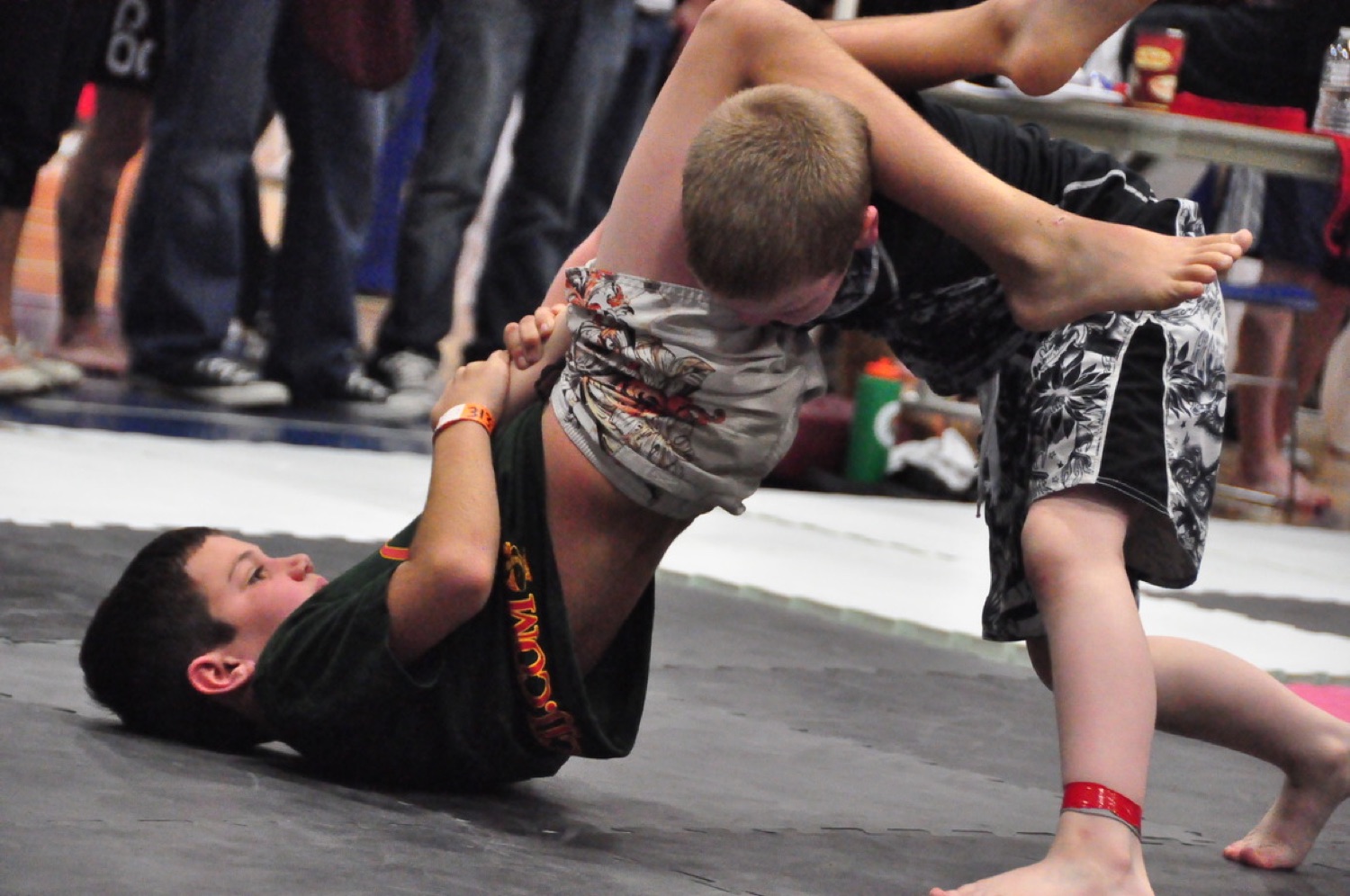
Jiu-jitsu teaches children to control another person without punching or kicking. For many parents that is the main attraction: a martial art that builds real confidence and physical skill while keeping strikes out of the picture.
Why grappling works for children
- Control instead of harm. Kids learn to hold, pin and escape, which is how most playground scuffles actually happen.
- Instant feedback. Either you escape the hold or you do not. Children see their own progress quickly.
- Close contact builds trust. Rolling with partners of all sizes teaches empathy and calm under pressure.
- Problem-solving. Each position is a puzzle, which suits thoughtful children who are not drawn to team sports.
How good classes keep it safe
Children's jiu-jitsu runs under stricter rules than adult training. Under International Brazilian Jiu-Jitsu Federation youth rules, for example, many submissions that are legal for adults, such as neck cranks and most leg locks, are banned, and slamming is never allowed. In class, look for:
- A clear rule that a tap, or a shout, stops everything immediately.
- Partners matched by size and experience.
- Positional games rather than free-for-all wrestling for younger kids.
- Coaches who stop rough play and reward control.
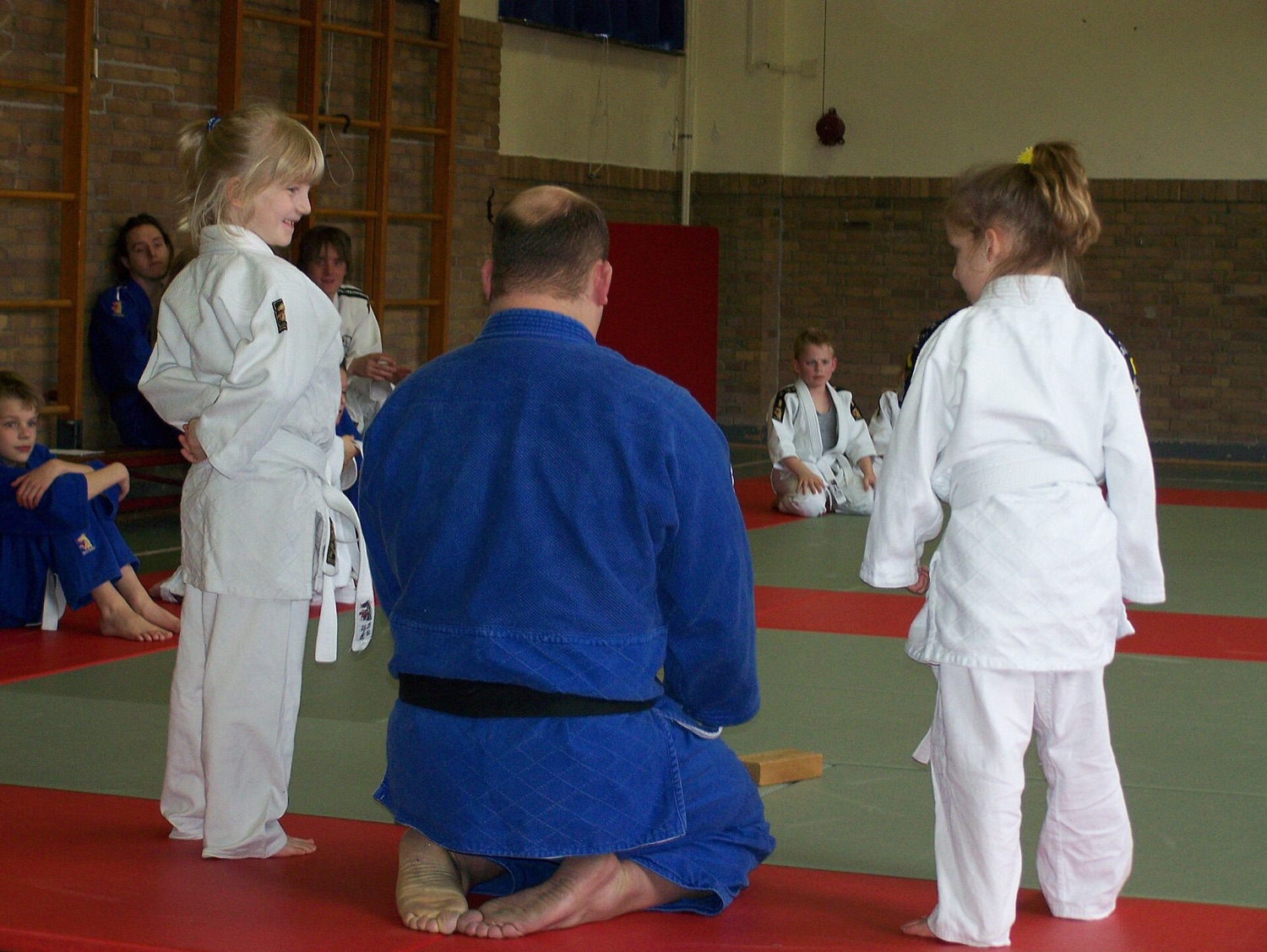
Junior belts
| Belt | Typical age range |
|---|---|
| White | Any age, beginners |
| Grey (with white or black variations) | About 4–15 |
| Yellow (with variations) | About 7–15 |
| Orange (with variations) | About 10–15 |
| Green (with variations) | About 13–15 |
Stripes are added between belts. At sixteen, students move into the adult belt system, and those holding junior coloured belts can usually be promoted to blue, as explained in our adult BJJ guide.
Hygiene matters
Mat sports can spread skin infections such as ringworm. Wash the gi after every class, keep nails short, wear sandals off the mat, shower after training and keep children home if they have an unexplained rash.
What parents notice
Parents often report calmer, more confident children who are better at handling frustration. Those changes are not guaranteed and depend heavily on the coaching, but a well-run class gives children a safe place to experience pressure, lose, try again and improve. That is also why jiu-jitsu features in so many anti-bullying programmes.
Comparing options? Our guide to martial arts by age group covers striking arts too.