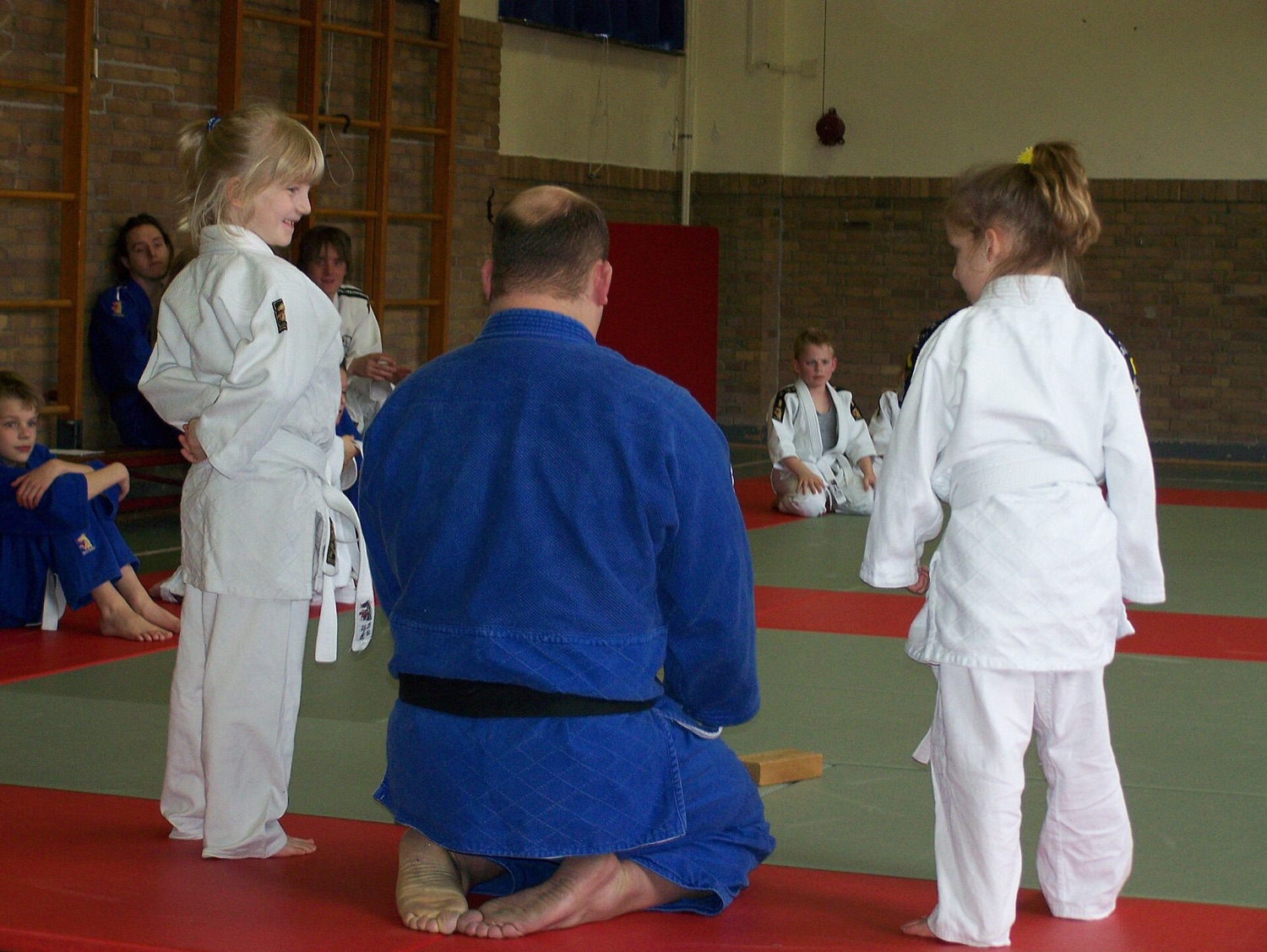
Martial arts are often sold as a cure for bullying. The truth is more interesting. Good training rarely teaches children to fight back. It teaches them to look, sound and feel like someone who is not an easy target, and to get help when they need it.
What we believe a good programme should do
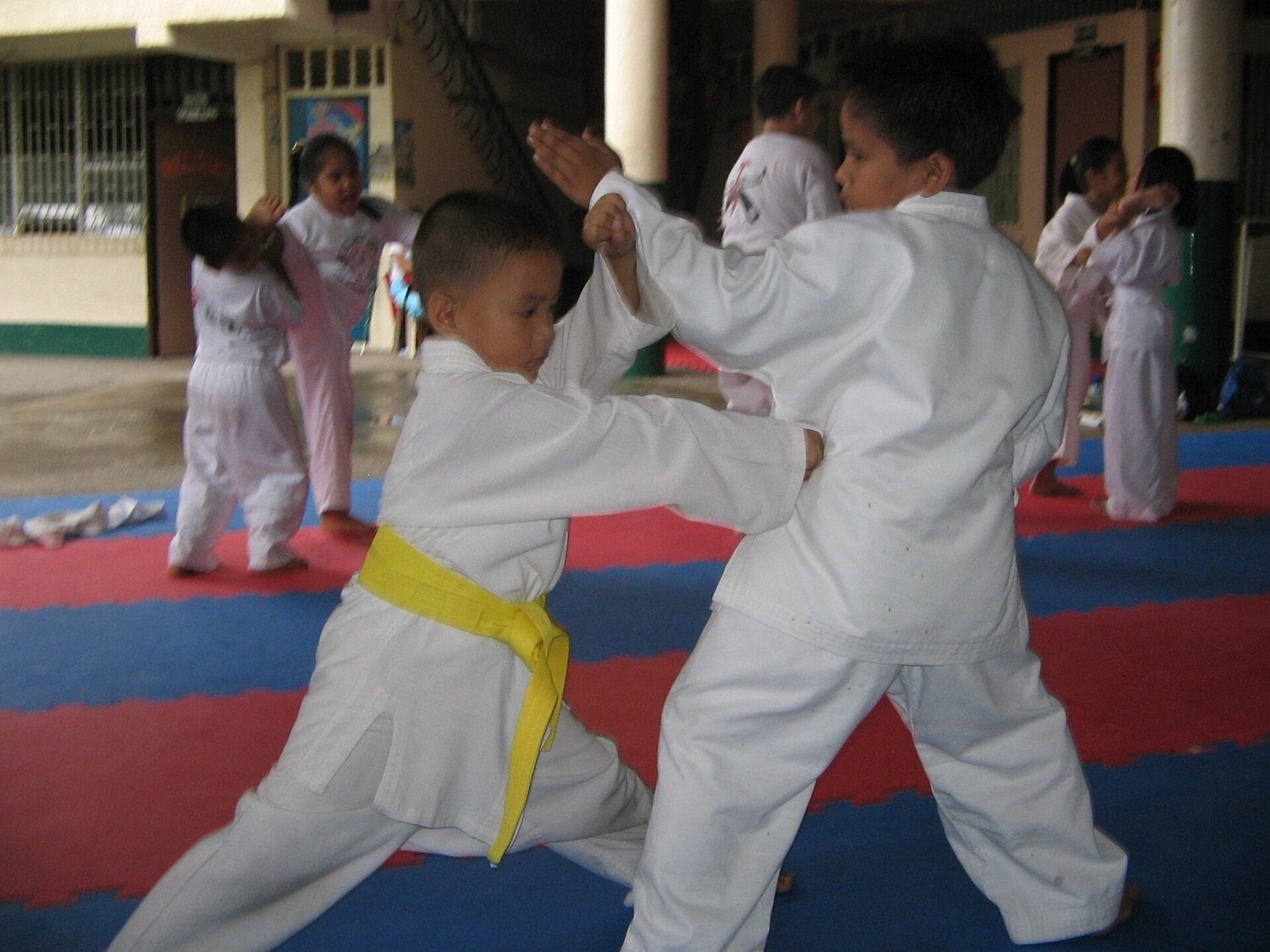
The best martial arts schools set out to empower their communities through training: to lead on healthy lifestyles, bullying prevention and harassment prevention, and to teach principles and model behaviour that develop skills and build character. Their aim for each student is confidence, physical and mental strength, resilience and perseverance, and the chance to become the best version of themselves. That is the standard we hold programmes to on this site.
How training helps
| Skill | How it is trained | Why it matters |
|---|---|---|
| Posture and eye contact | Standing in ready stance, bowing, facing a partner | Bullies tend to pick on children who look unsure |
| A strong voice | Kiai, calling out in drills, saying “stop” loudly | A firm voice draws attention and sets a boundary |
| Awareness | Distance drills, games about noticing exits | Avoiding a situation beats winning it |
| Calm under pressure | Sparring and grappling with control | Children learn not to freeze or panic |
| Self-respect | Belts earned through effort | Confidence based on real achievement lasts |
Words first, escape second
Most anti-bullying curricula teach a ladder of responses. Walk away. Use a confident voice. Tell a trusted adult. Only if a child is physically trapped and in danger do they use a simple escape, such as breaking a grip and running. Children should know that telling a teacher or parent is not "dobbing"; it is the strongest move available.
Signs a child may be being bullied
- Unexplained bruises, torn clothes or lost belongings.
- Reluctance to go to school or sudden falling grades.
- Trouble sleeping, headaches or stomach aches on school mornings.
- Withdrawal from friends, or anxiety after using their phone.
What parents can do
- Listen calmly and thank your child for telling you.
- Write down what happened, when and who was involved.
- Contact the school and ask what its anti-bullying policy says.
- For online bullying, keep screenshots and use the platform's reporting tools.
- Seek help from your doctor or a counsellor if your child seems very low.
What the research suggests
Studies of martial arts programmes for children have reported improvements in self-regulation and reductions in aggression, especially where classes emphasise respect and self-control rather than combat. Results vary a great deal between programmes, so the quality of instruction matters more than the style.
The confidence that lasts
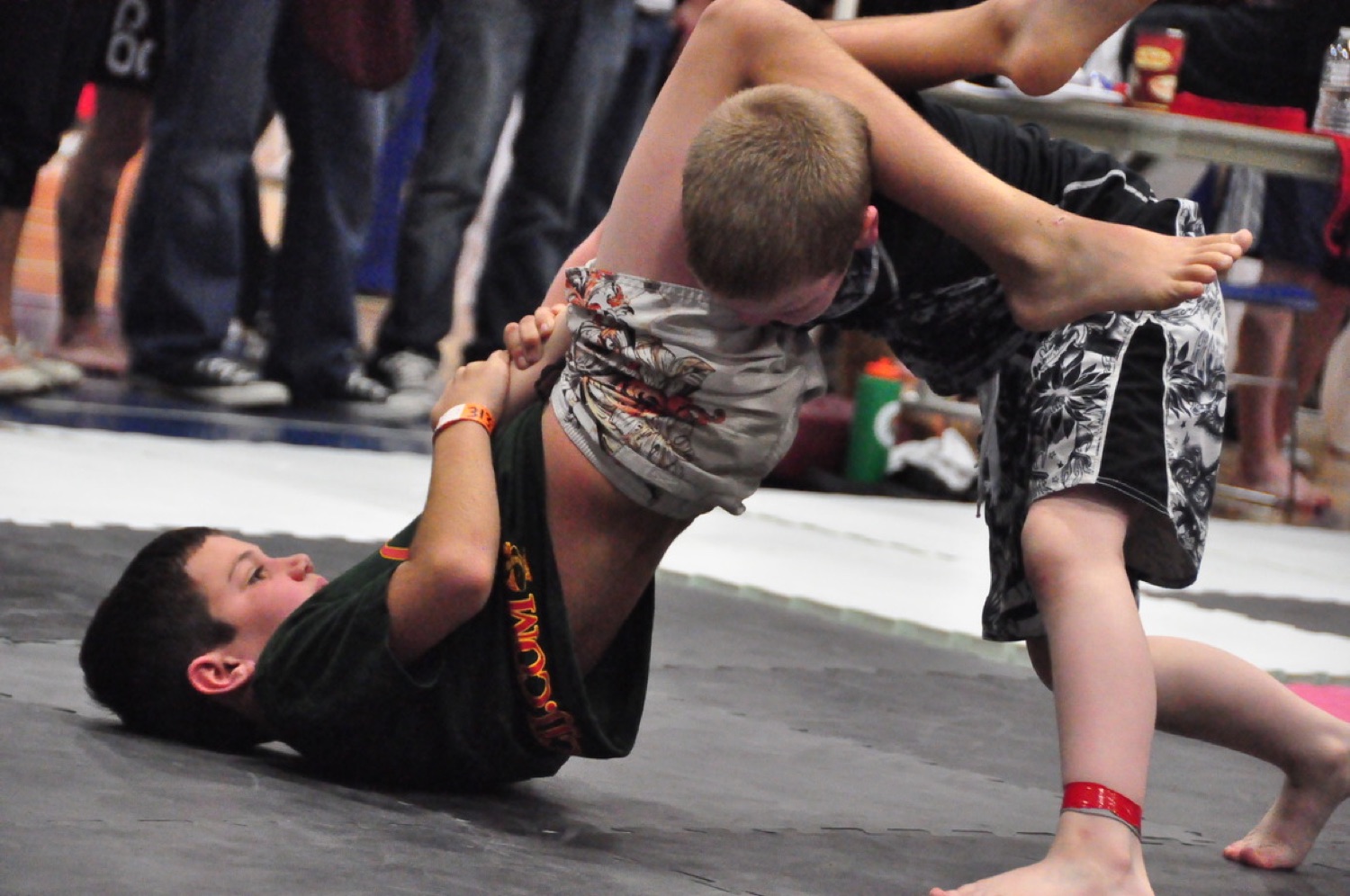
Training is a great way to learn self-defence, develop confidence and self-discipline, reduce stress, gain focus, get fit, set and achieve goals and make new friends. Each of those helps a child who is being picked on. Start with our guide to martial arts by age, or read about kids' jiu-jitsu, which is especially good at teaching control without striking.