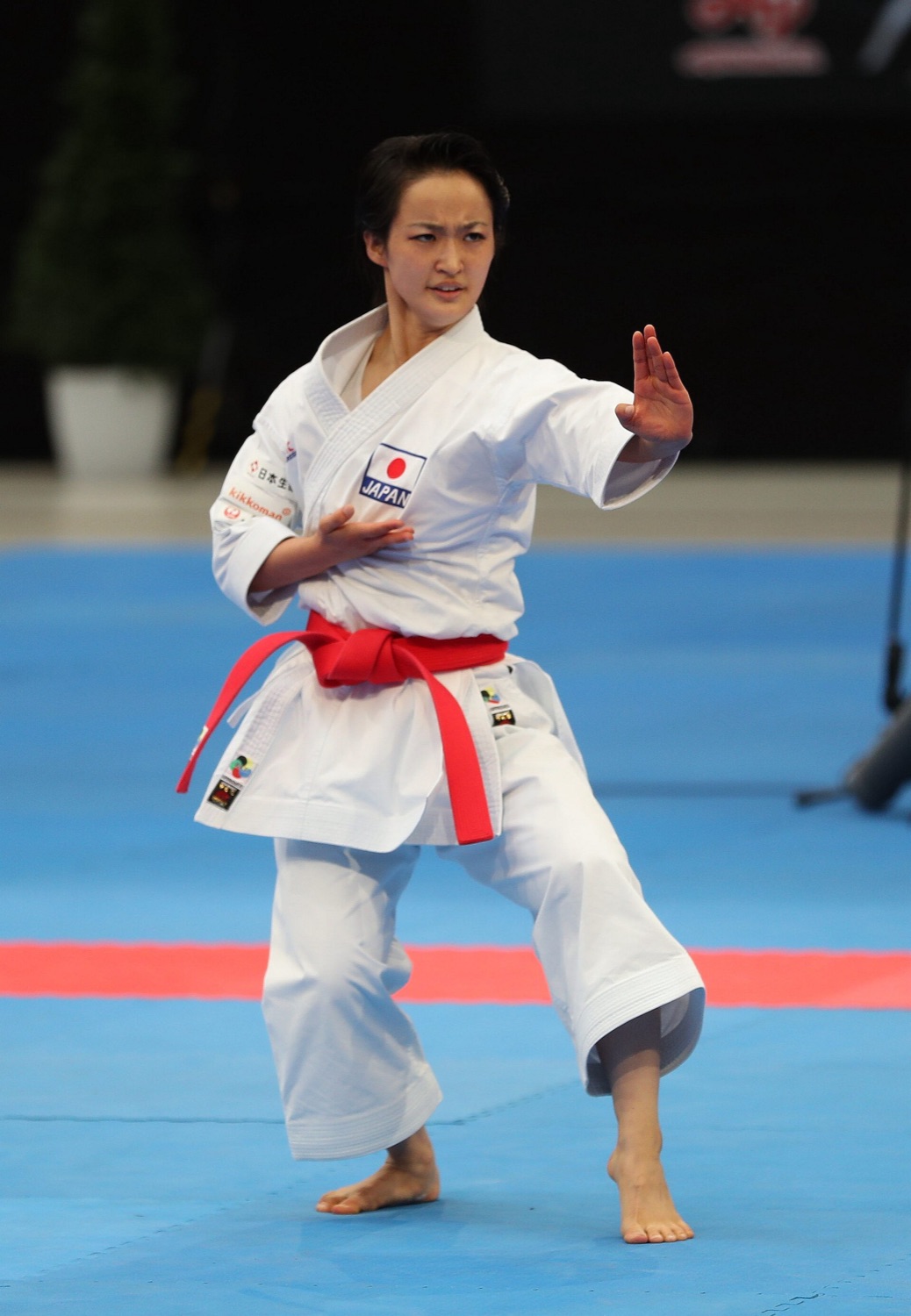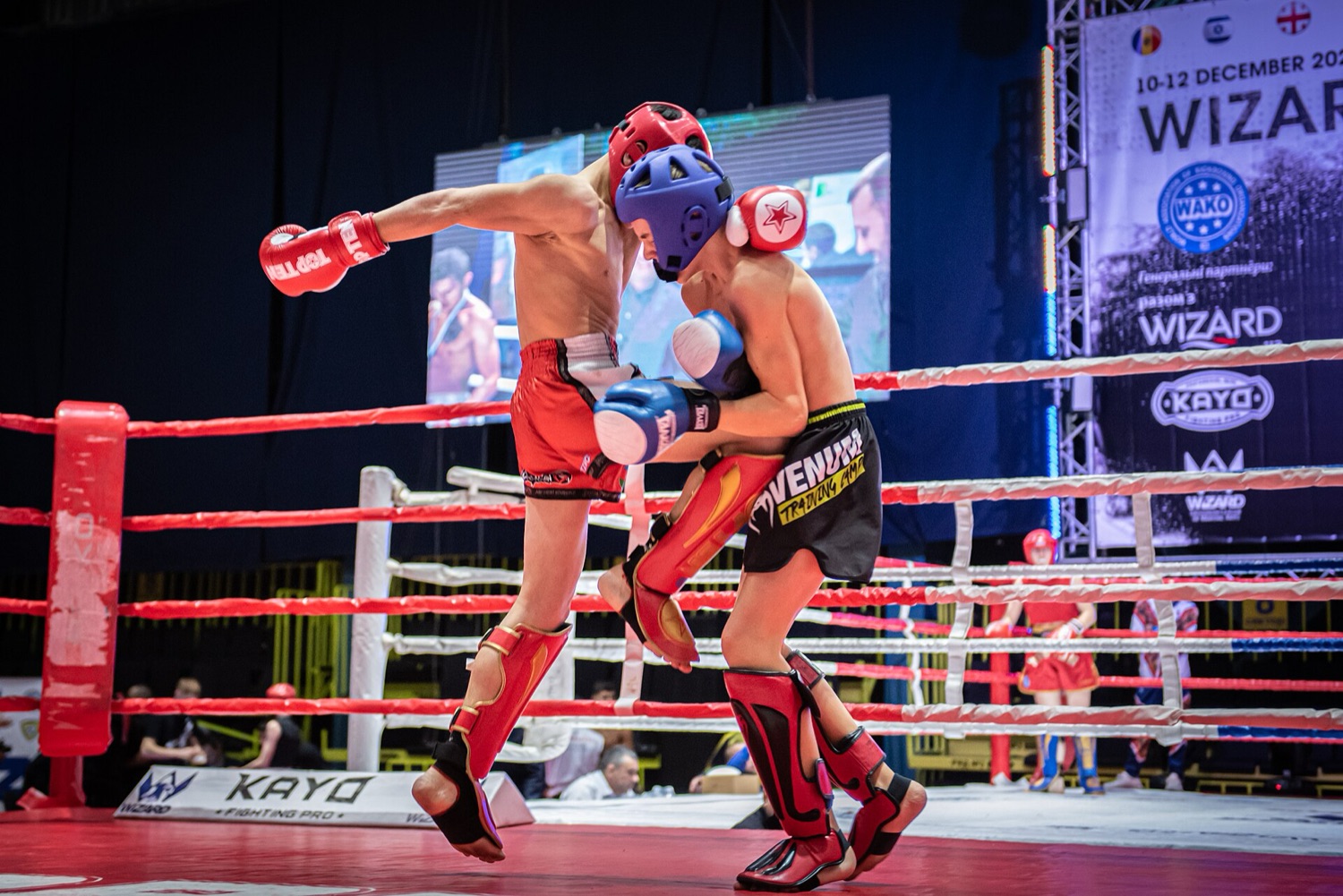
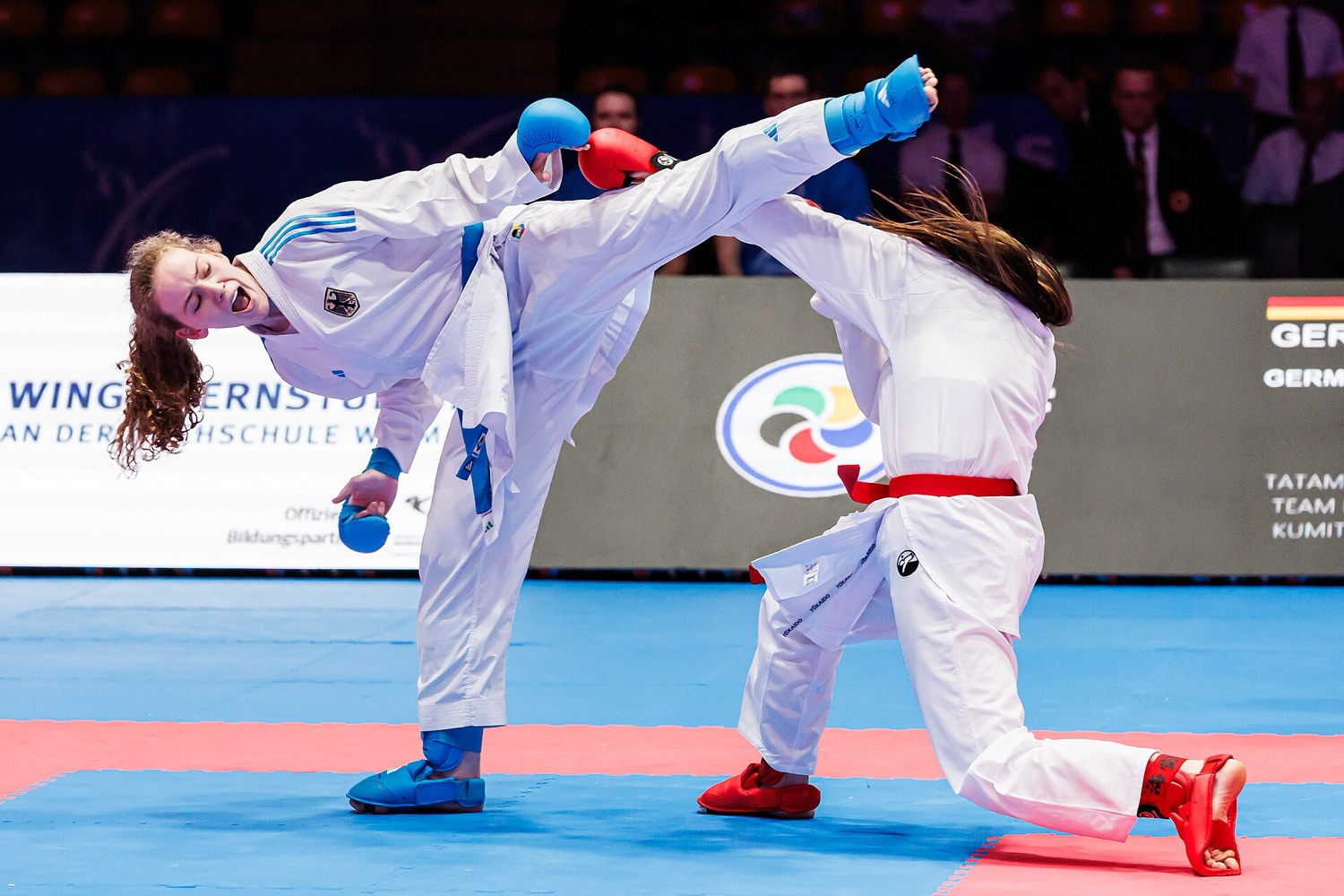
Point sparring is the fast, stop-start style of fighting used in sport karate and light-contact kickboxing. The referee stops the action after each clean technique, judges award points, and fighters reset. Speed, timing and distance matter far more than power, which makes it a perfect format to drill at home.
How point sparring is scored
Scoring differs between organisations, but most reward clean, controlled techniques to legal targets. Under WAKO point-fighting rules, for example, punches and body kicks score one point, head kicks score two and jumping kicks to the head score three. Uncontrolled contact is penalised. In karate kumite the values are similar: punches one, body kicks two, head kicks three.
Make your own targets
You do not need a full gym. Any of these work:
- A firm cushion or folded yoga mat held by a partner at chest height.
- A pool noodle held vertically, which is perfect for fast punches.
- A paper plate hung on a string from a door frame for kick accuracy.
- A pair of focus mitts if you can borrow them.
Keep at least two metres of clear floor in front of you, and train on a non-slip surface.
Five classic drills
Drill 1: jab, reverse punch
From fighting stance, snap the lead-hand jab to the target, then drive the rear-hand reverse punch with the hips. Exit back out of range immediately. Ten clean reps each side.
Drill 2: jab, front kick
The jab draws the guard up; the front kick goes underneath to the body. Rechamber the kick before putting the foot down so you stay balanced.
Drill 3: double shuffle, reverse punch
Two quick shuffles forward close the distance before the reverse punch lands. The aim is to cover ground without telegraphing. Practise the footwork alone first.
Drill 4: reverse punch, turning kick
Score or draw a reaction with the punch, then follow with a roundhouse kick to the head or body as your opponent covers. Keep your hands up during the kick.
Drill 5: spinning hook kick
An advanced technique. Step across, spin and whip the heel through the target at head height. Only practise it after a thorough warm-up, slowly at first, and never toward a person without control.
A 25-minute home session
| Block | Time | Content |
|---|---|---|
| Warm-up | 5 min | Skipping or jogging on the spot, joint circles, light stretching |
| Footwork | 4 min | Shuffles in and out, side steps, switching stance |
| Drills 1–4 | 10 min | 2-minute rounds per drill, 30 seconds rest |
| Speed finish | 3 min | Partner calls random numbers 1–4, you fire that drill |
| Cool-down | 3 min | Hip, hamstring and shoulder stretches |
For flexibility work that makes head kicks easier, follow our stretching guide for high kicks, and slot this session into the two-week home training plan.
Your first tournament
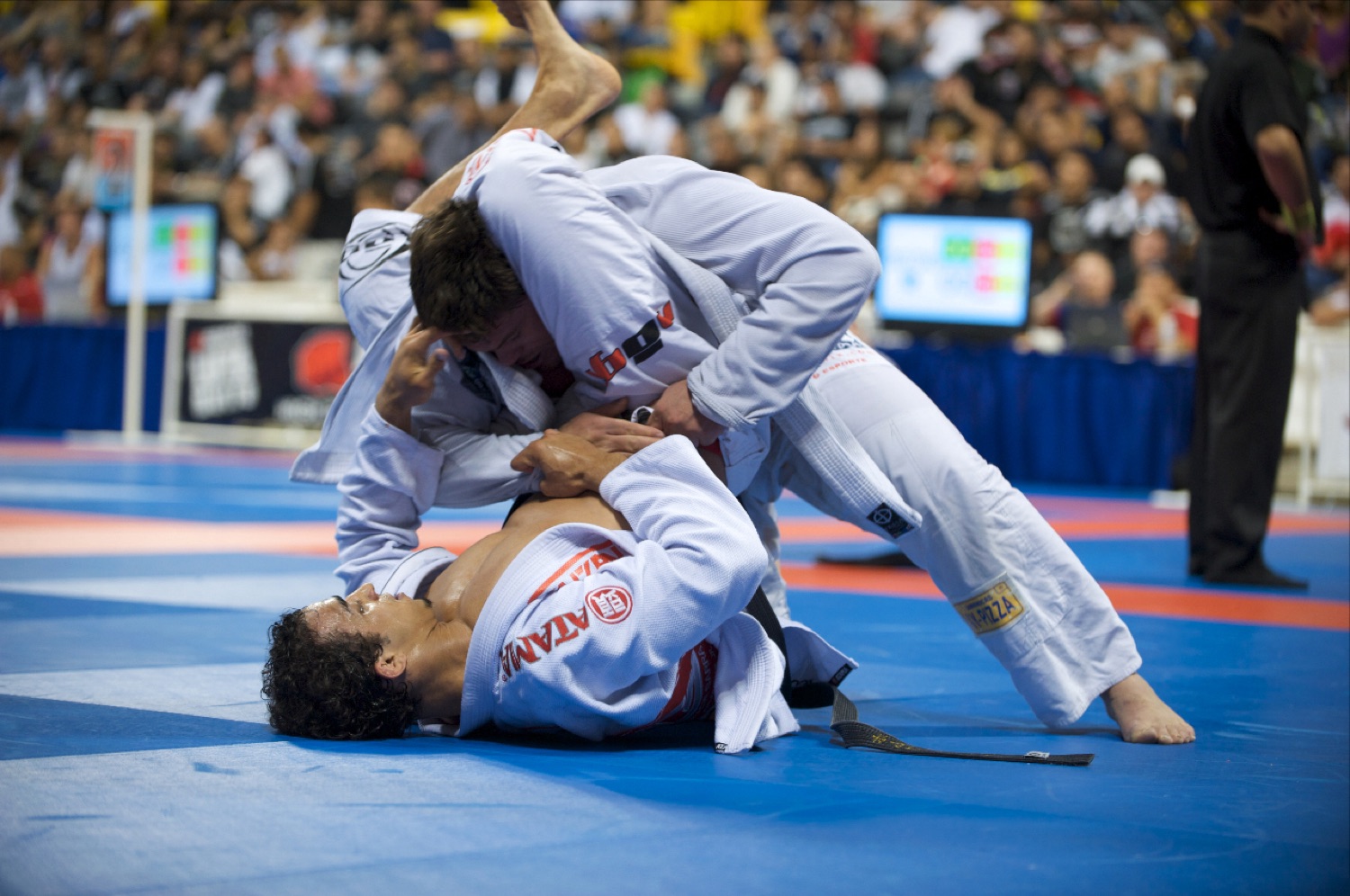
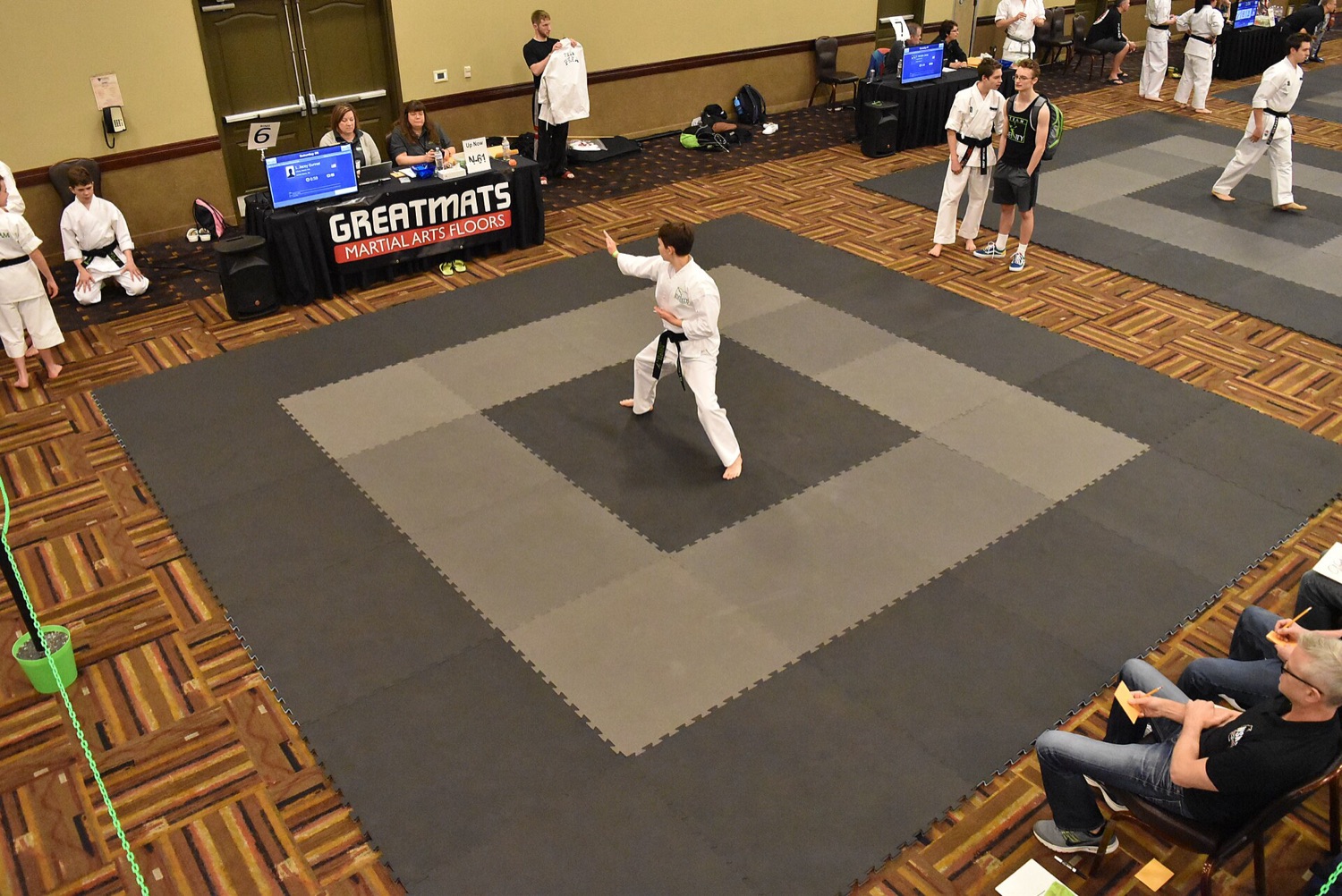
Open tournaments run by bodies such as ISKA and WAKO are a friendly first step into competition, especially for children. Besides point sparring, events often include continuous sparring, light kick, jiu-jitsu, self-defence demonstrations, traditional and weapons kata, and even sumo and tricking divisions. Expect to wait a lot, fight for only a few minutes and learn more in one day than in a month of training.
From points to pro scorecards
Point fighters learn to judge exchanges in real time, which is the same skill professional judges use in round-by-round scoring. That habit makes watching boxing or MMA more interesting, and it helps if you ever look at decision markets. Our guide to boxing betting markets explains how the 10-point must system decides close fights.