"Kickboxing" covers a whole family of stand-up fighting sports that combine boxing punches with kicks, and sometimes knees, elbows and clinching. Two gyms with the same sign over the door can teach very different things, so it pays to know the rule sets.
Main rule sets compared
| Rule set | Strikes allowed | Typical rounds | Feel |
|---|---|---|---|
| Full contact (American) | Punches, kicks above the waist | 3 rounds amateur, up to 12 pro | Boxing with kicks |
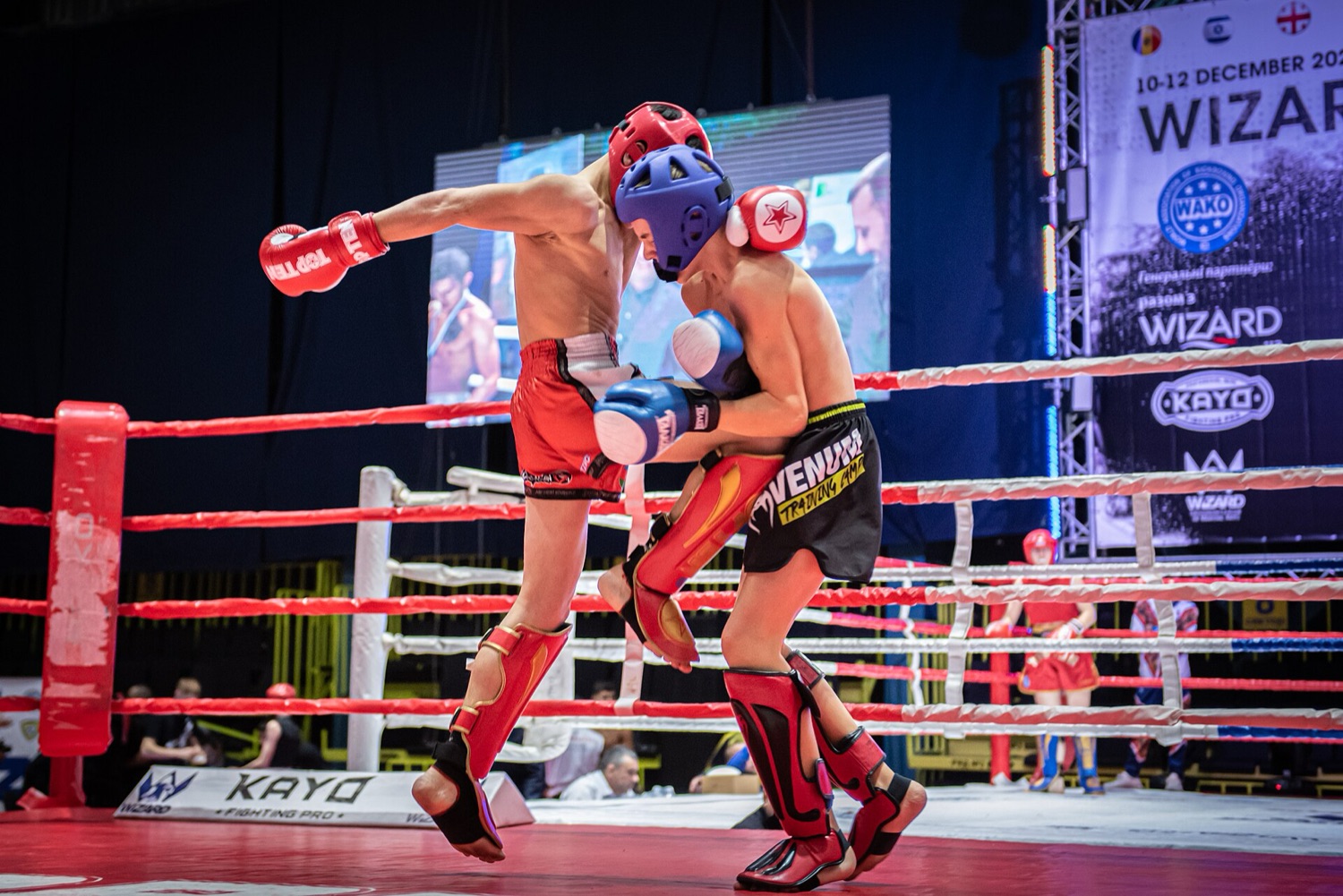
| Low kick | Punches, kicks including to the legs | 3 x 2–3 min | Heavier, leg-kick battles |
| K-1 rules | Punches, kicks, knees; very limited clinch | 3 x 3 min, more for titles | Fast and aggressive |
| Muay Thai | Punches, kicks, knees, elbows, full clinch | 5 x 3 min pro | Patient build-up, clinch wars |
| Point fighting / light contact | Controlled punches and kicks | 1–3 short rounds | Speed and timing |
How the styles developed
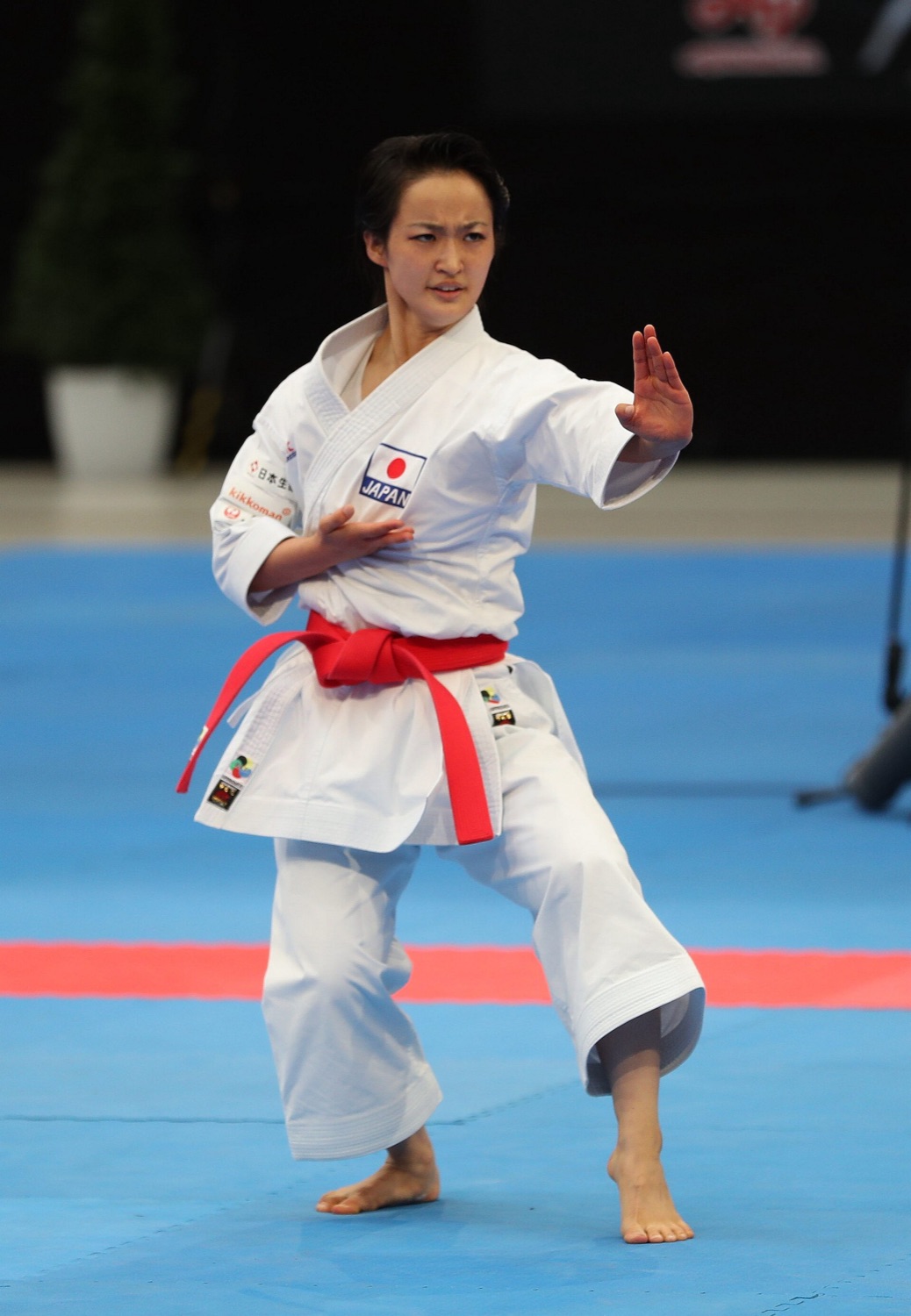
Japanese promoters created kickboxing in the 1960s by blending karate with Muay Thai, and the sport spread quickly. In the United States in the 1970s, karate fighters such as Joe Lewis and Bill Wallace helped launch full-contact karate, which banned strikes below the belt. In the Netherlands, gyms mixed boxing combinations with hard low kicks to build the so-called Dutch style, which would dominate heavyweight kickboxing for decades.
In 1993 Kazuyoshi Ishii founded K-1 in Japan. Its one-night Grand Prix tournaments filled the Tokyo Dome and turned kickboxing into prime-time television. Glory, founded in 2012, and ONE Championship, which runs kickboxing and Muay Thai alongside MMA, carry that tradition today.
What a kickboxing class involves
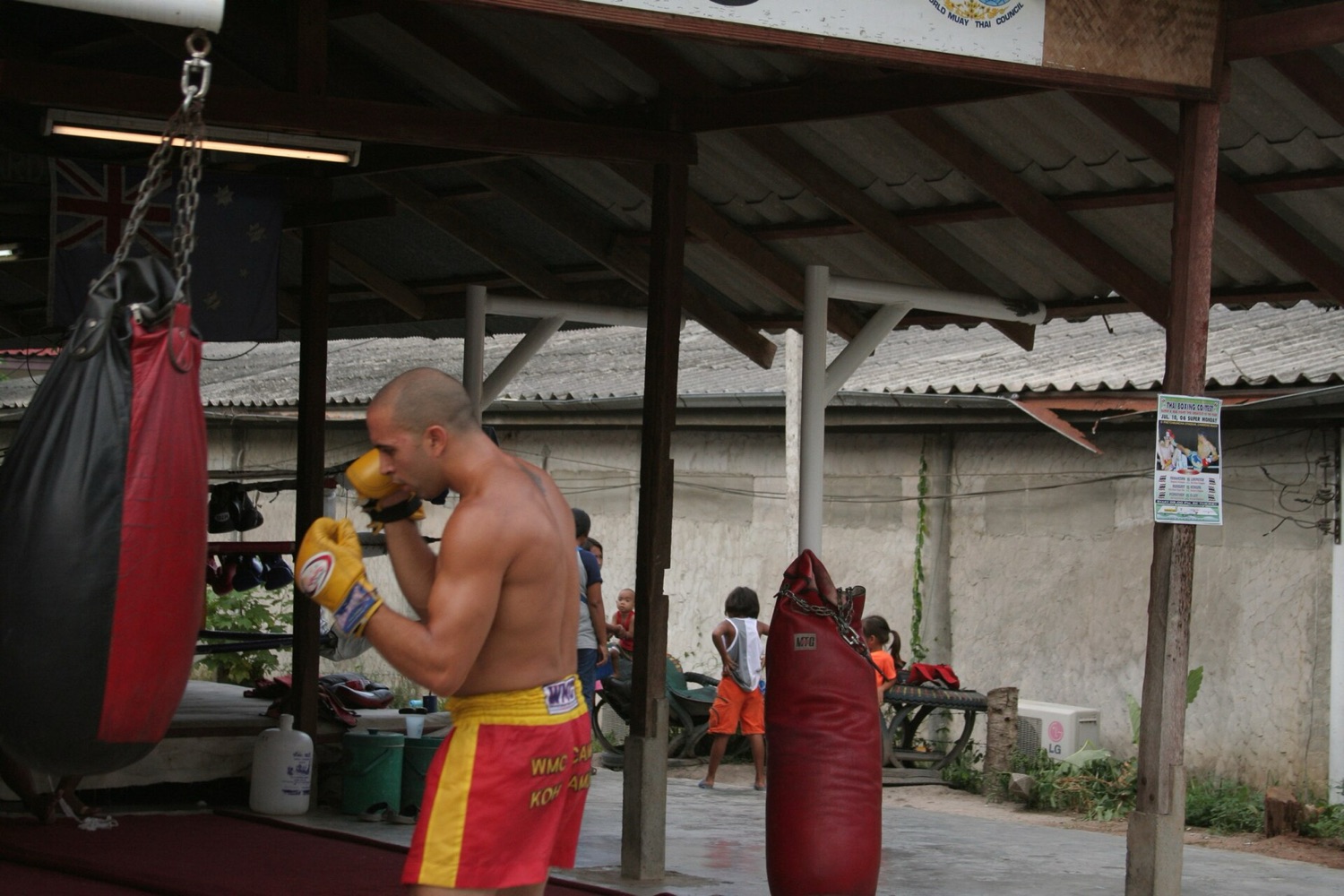
- Skipping and shadowboxing to warm up and groove technique.
- Pad work with a partner or coach calling combinations: jab, cross, hook, low kick.
- Bag rounds for power and conditioning.
- Technical sparring at low intensity, once you have the basics.
- Conditioning: core work, push-ups, sprints. See our fighter conditioning guide.
Many gyms also run "fitness kickboxing" or cardio classes with no contact at all. They are a fun way to get fit, but if you want to fight, look for a gym with a fight team and structured sparring.
Gear checklist
Hand wraps, 12–16 oz gloves (heavier for sparring), a mouthguard, shin guards and, for sparring, headgear and a groin guard. Women may add a chest guard. Wash wraps and air gloves after every session.
Is it safe?
Amateur kickboxing uses protective gear and strict refereeing, and most training involves no hard contact at all. The main injuries are bruises, sprains and occasional cuts. Head contact carries real risk, which is why good coaches keep sparring light and progressive. Anyone with a medical condition should see a doctor before starting.
Leg kicks and the betting angle
If you have ever felt three low kicks land on the same thigh, you understand why kickboxing bouts can change suddenly in the later rounds. That accumulated damage is invisible on the scorecards for a while, then decisive. It is also why fans who train often have an edge when they watch ONE, Glory or K-1 events. Our guide to kickboxing and Muay Thai betting markets explains how those patterns translate into round and method markets.