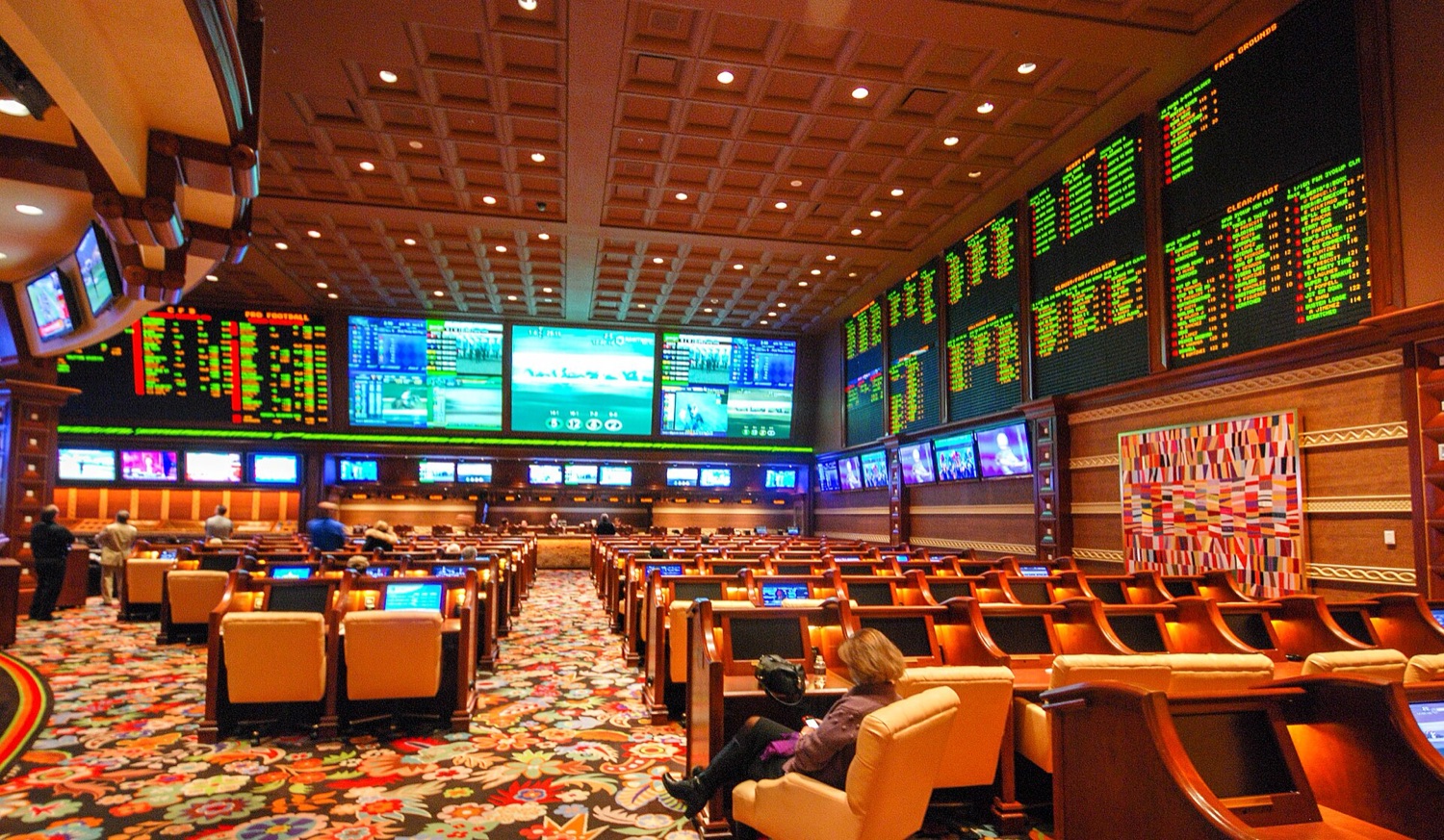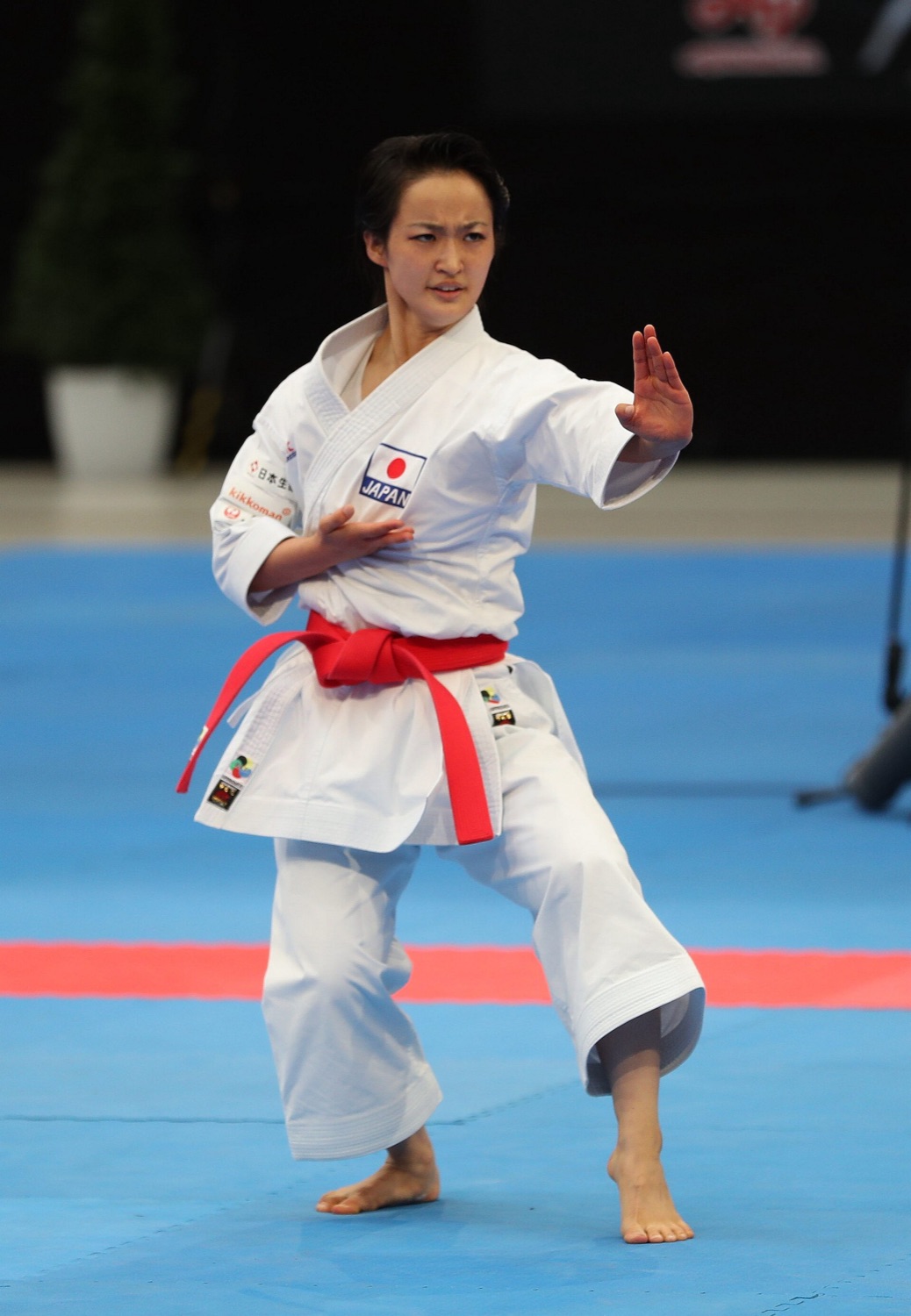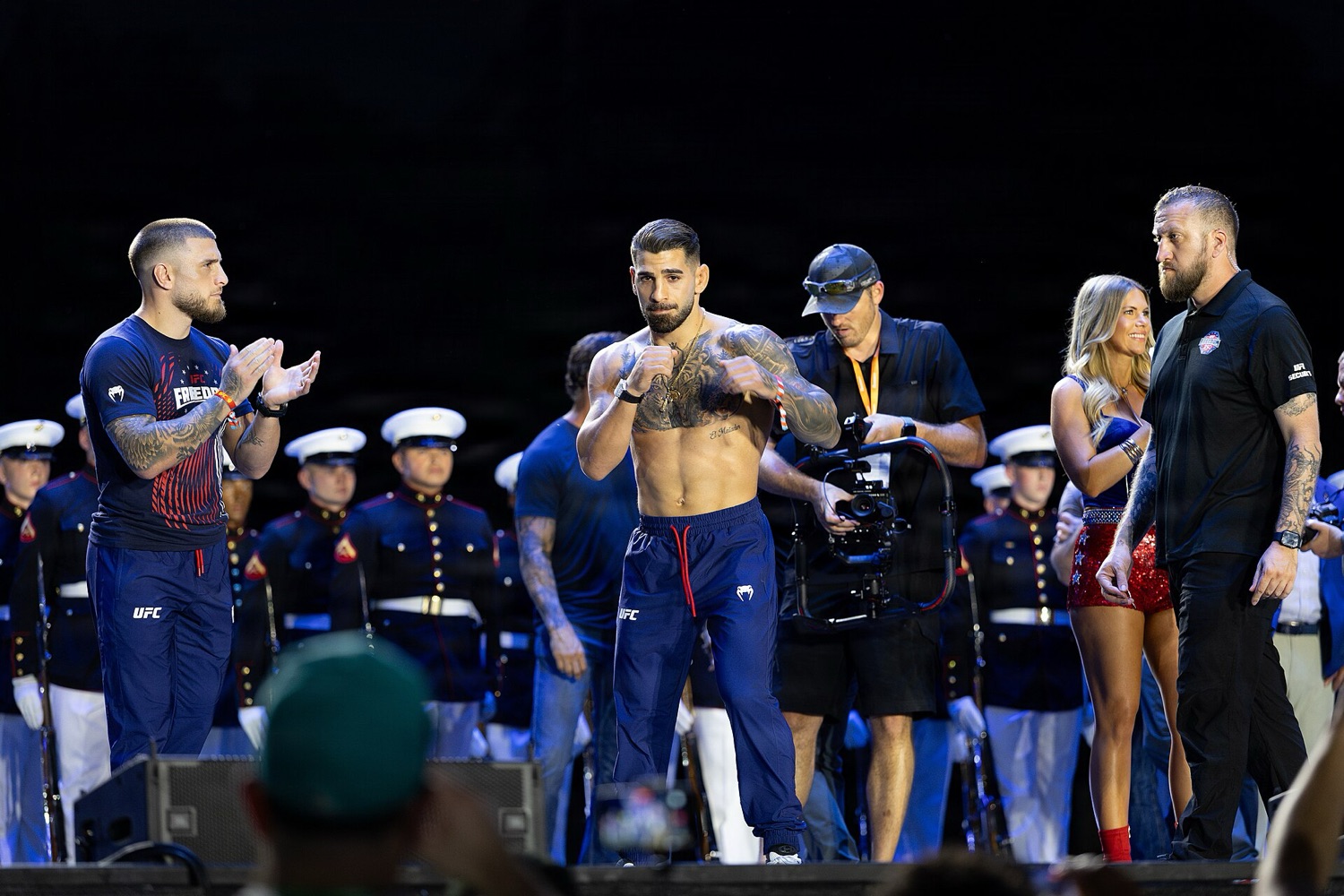
The old boxing saying "styles make fights" is the single most useful idea in combat sports betting. Two fighters with identical records can be a terrible or a perfect matchup for each other. The weigh-in, meanwhile, offers one last look at how ready each fighter really is.
Common style matchups
| Matchup | What usually decides it |
|---|---|
| Striker vs wrestler | Takedown defence and cage awareness of the striker; cardio of the wrestler |
| Pressure fighter vs counter-puncher | Whether the pressure fighter can cut off the cage or ring |
| Southpaw vs orthodox | Lead-foot position, the rear straight and the lead hook |
| Long kicker vs short boxer | Range control; once inside, the boxer has the edge |
| BJJ specialist vs anyone | Can the specialist get the fight to the floor? |
Checklist before you bet
- Recent form against similar styles, not just the win-loss record.
- Reach and height, especially in striking matchups.
- Pace and cardio. Has the fighter faded in late rounds? See our conditioning guide.
- Durability. Fighters who have been knocked out several times often become easier to stop.
- Age and activity. Long layoffs and the late thirties, particularly in lighter divisions, are common warning signs.
- Camp changes and short notice. A replacement with two weeks' preparation rarely shows their best.
- Venue and altitude. Fights at altitude, such as in Mexico City, have tested many fighters' cardio.
What a weight cut is
Most professional fighters compete in a division well below their walking weight. In the last days before the weigh-in they load and then restrict water, cut salt and sometimes use saunas or hot baths to lose several kilograms, mostly fluid. After weighing in, they rehydrate and refuel before the fight, which in the UFC usually takes place the following evening.
Extreme cutting is dangerous. It can cause kidney problems and poor performance, and there have been deaths. ONE Championship introduced hydration testing in late 2015 after the death of fighter Yang Jian Bing, and several athletic commissions have since tried to discourage drastic cuts. For ordinary athletes, our view is simple: compete near your natural weight and eat well, as in our recovery meals.
Signals at the weigh-in
- Missing weight. It often points to a troubled camp or a cut that went wrong.
- Multiple attempts or a towel held up on the scale.
- Looking drawn or unsteady on stage.
- A division change. Moving up can mean more energy but less size advantage; moving down can mean a brutal cut.
- Same-day weigh-ins in some promotions leave much less time to recover than day-before ones.
Lines sometimes move after weigh-ins, but not always as much as the information deserves. Fans who train and understand what a hard cut feels like often spot problems earlier.
Putting it together
Combine the style matchup, the conditioning picture and the weigh-in, then compare your view with the price, as explained in how UFC and MMA odds work. If you are still unsure on fight night, watch the opening round first and use the live betting markets.