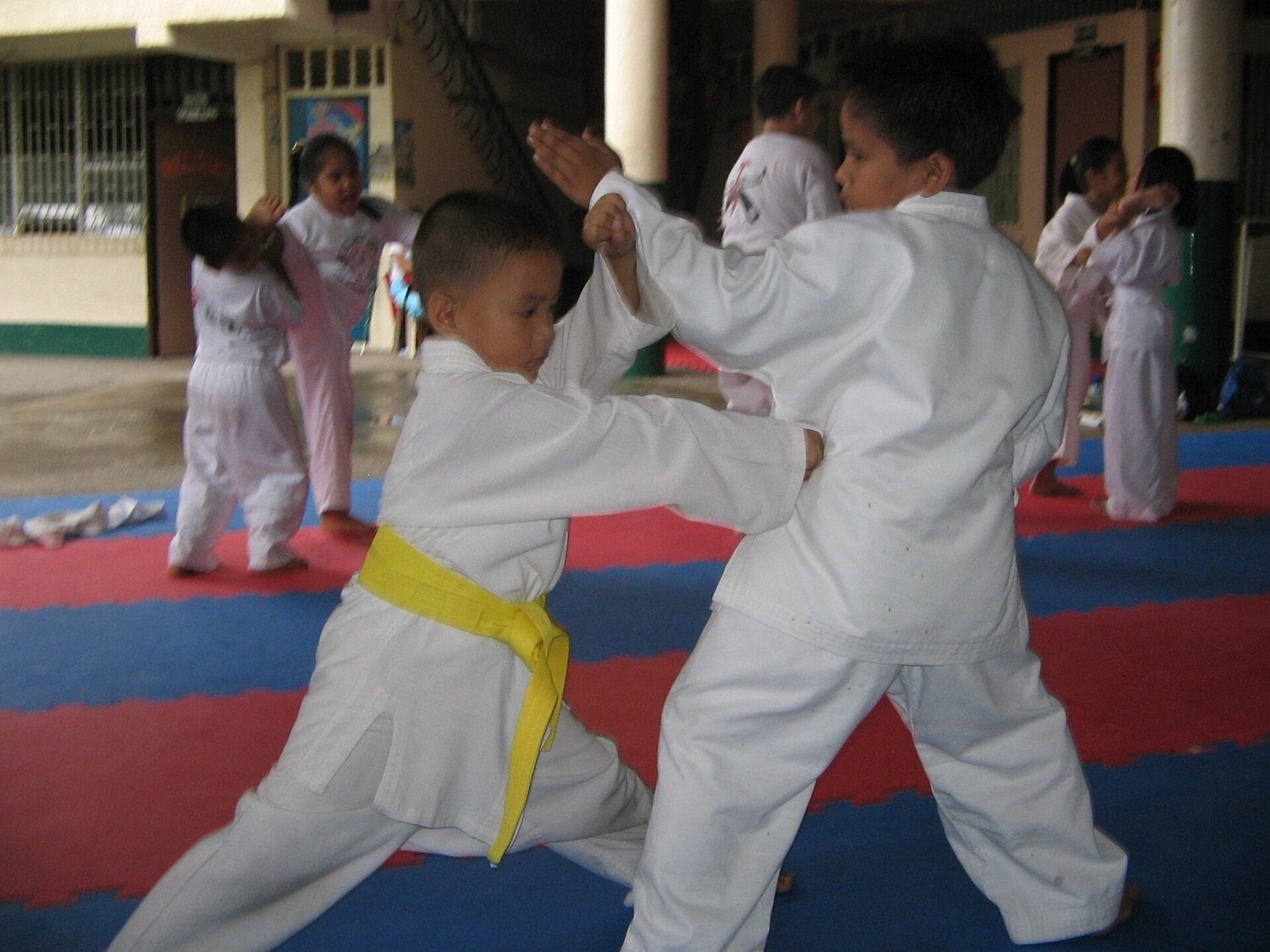
A good children's martial arts programme is not an adult class shrunk down. What a three-year-old can learn is very different from what a nine-year-old needs, and the best clubs split their classes accordingly. Here is what to look for at each stage.
At a glance
| Age | Class length | Main focus | Contact |
|---|---|---|---|
| 3–4 years | About 30 minutes | Listening, balance, coordination, fun | None; pads and games only |
| 5–8 years | 40–45 minutes | Basics, simple kata, focus, respect, stripe belts | Light pad work, controlled drills |
| 8 years and over | 45–60 minutes | Full syllabus, partner work, fitness | Controlled sparring with gear |
| Teens | 60 minutes or more | Technique, conditioning, competition | Supervised sparring |
3–4 years: movement first
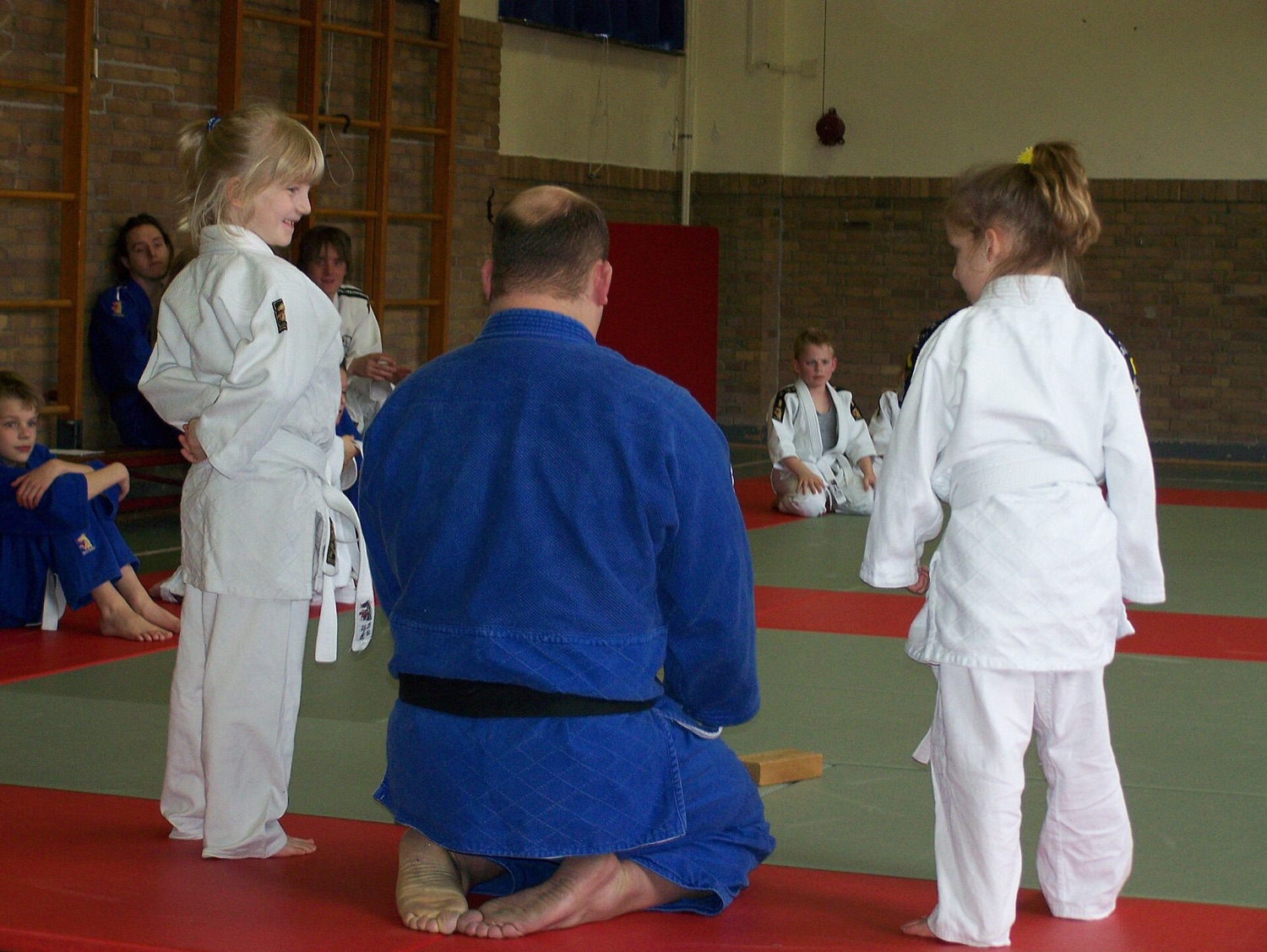
At this age martial arts is really a movement and listening class with a martial arts flavour. Children learn to stand still on a spot, follow two-step instructions, jump, balance, roll and punch a pad. Short attention spans mean activities change every few minutes. Expect plenty of games, stickers and high fives. Parents usually stay to watch, and that helps shy children settle.
What it builds: gross motor skills, body awareness, early self-control and the confidence of being part of a group.
5–8 years: fundamentals and stripe belts
From around five, children can learn real techniques: stances, blocks, punches and front kicks, simple kata and partner drills with control. Many clubs use a stripe belt system for this group. Coloured tags are added to the belt as children master each set of skills, and gradings take place a couple of times a term, so there is always a goal within reach. Pre-gradings, where instructors check skills a week or two before the real test, help children fix gaps without pressure.
What it builds: focus, perseverance, respect for others and the discovery that practice leads to progress.
8 years and over: the full syllabus
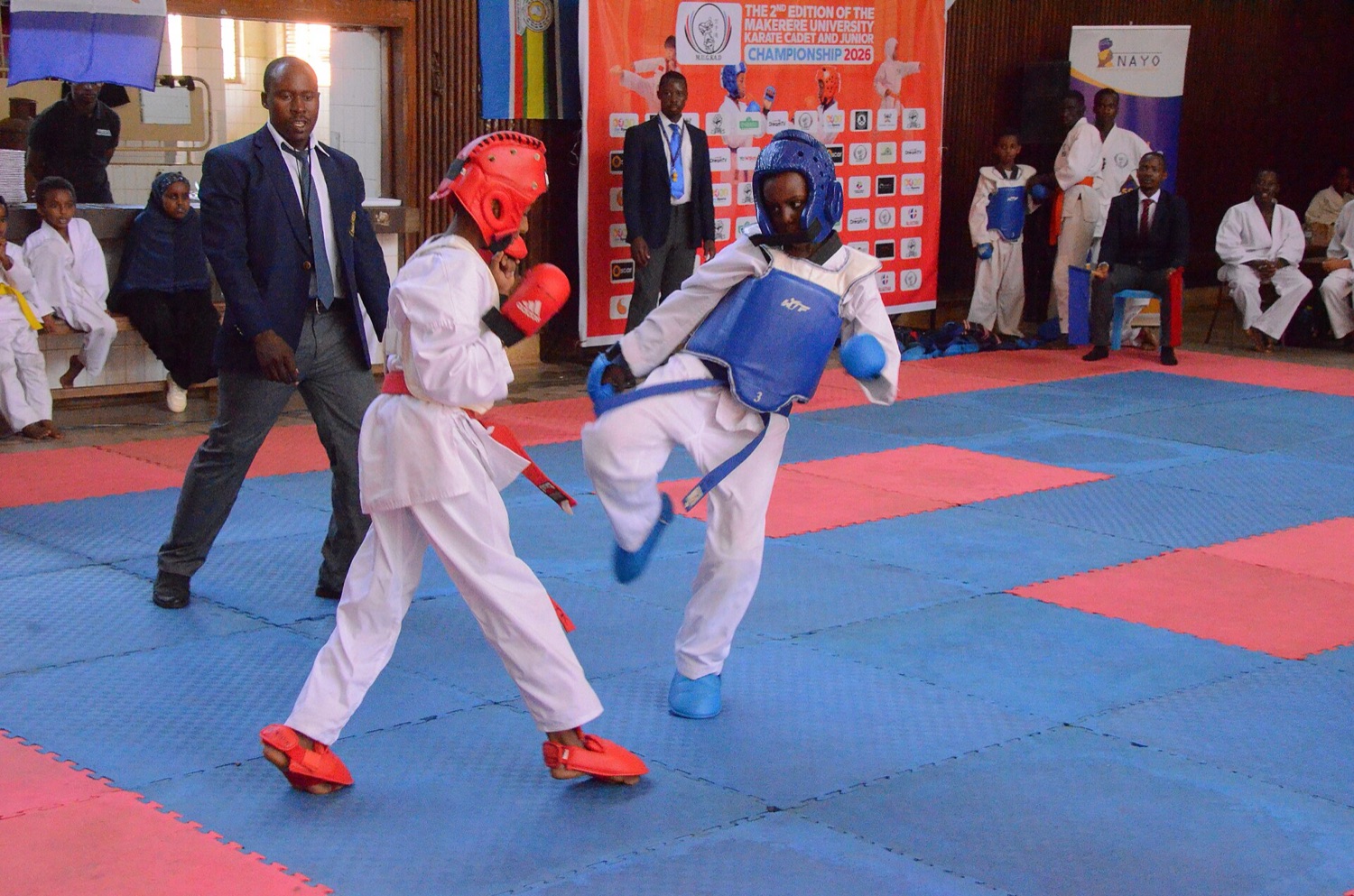
Older children join a syllabus close to the adult one, often in mixed-age or junior classes. They learn longer kata such as those in our beginner kata guide, combinations, self-defence and controlled sparring with gloves, mouthguard and shin pads. Some will enjoy competing at open tournaments; others prefer gradings and fitness. Both paths are valid.
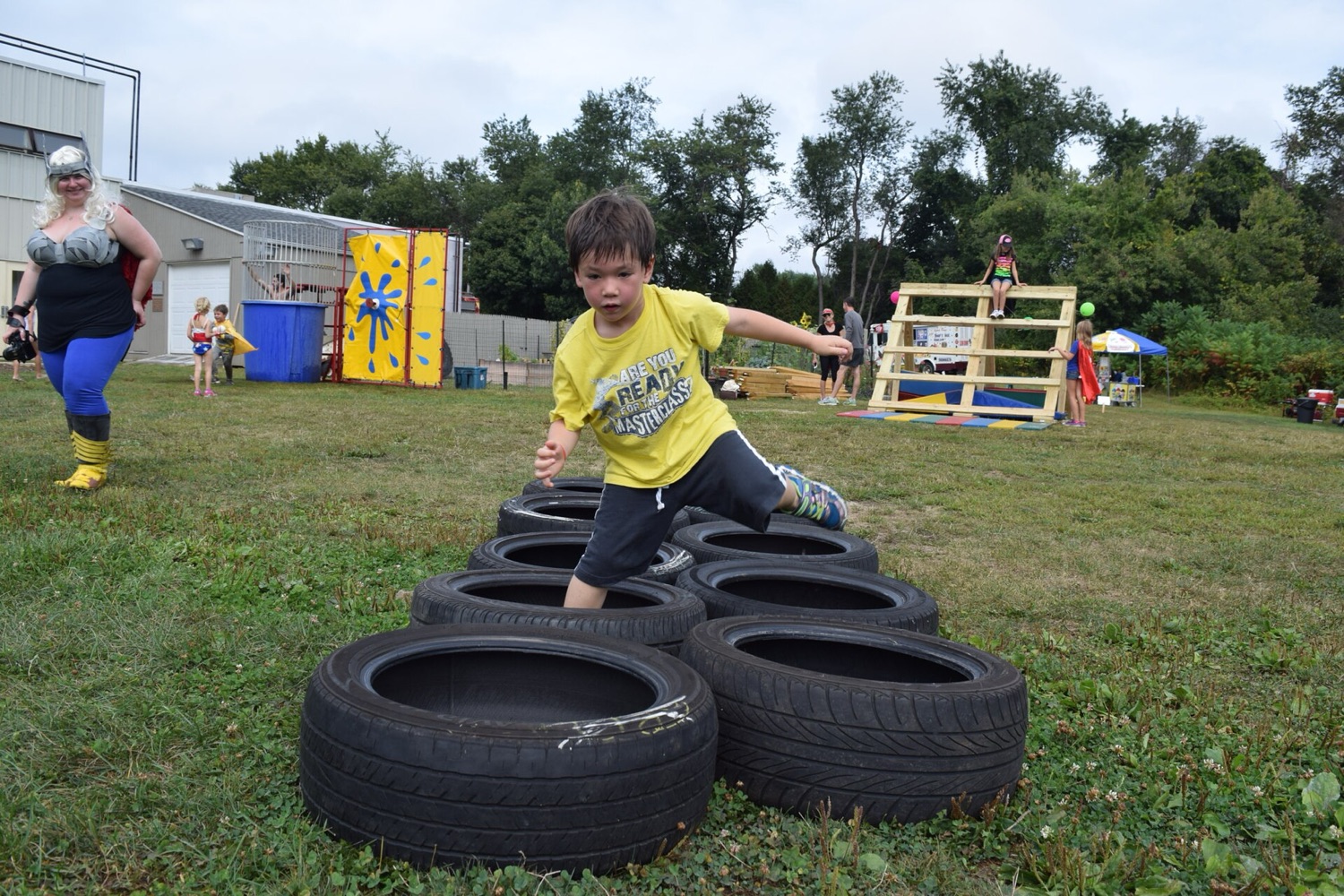
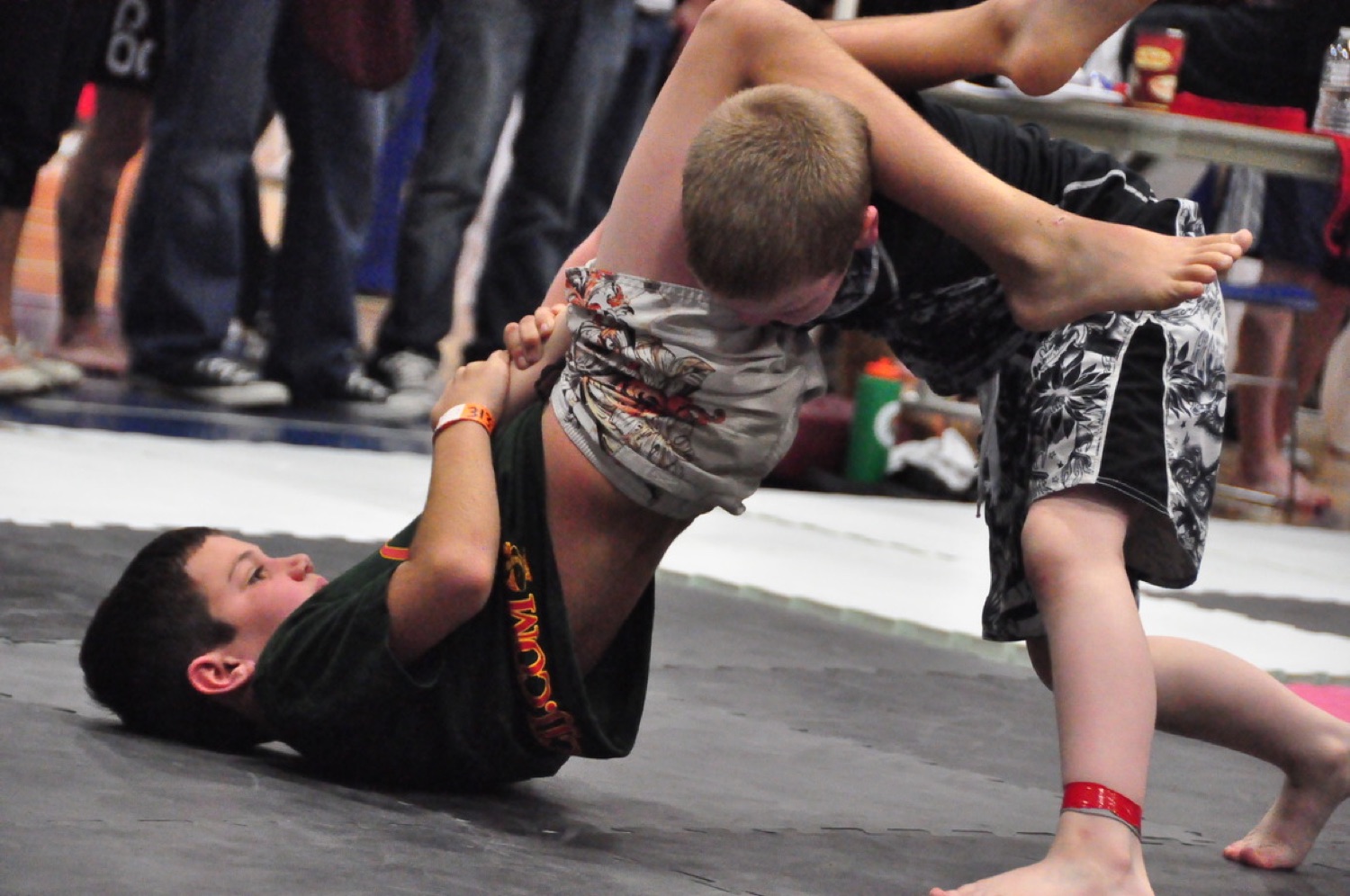
Grappling arts are also excellent from this age. Our guide to kids' jiu-jitsu explains why, and for children who love running and climbing, obstacle racing makes a great partner activity.
How to choose a club
- Instructors hold current first aid and the child-safety background checks required where you live.
- Classes are split by age or at least by ability.
- A free or low-cost trial lesson is offered without pressure to sign up on the spot.
- The ratio of instructors to children is low enough that everyone gets attention.
- Mats are clean, the space is safe and there is a clear first-aid plan.
- The emphasis is on respect, control and fun, not on winning.
- Bullying prevention and confidence are part of the curriculum. See martial arts, bullying and confidence.
Tips for parents
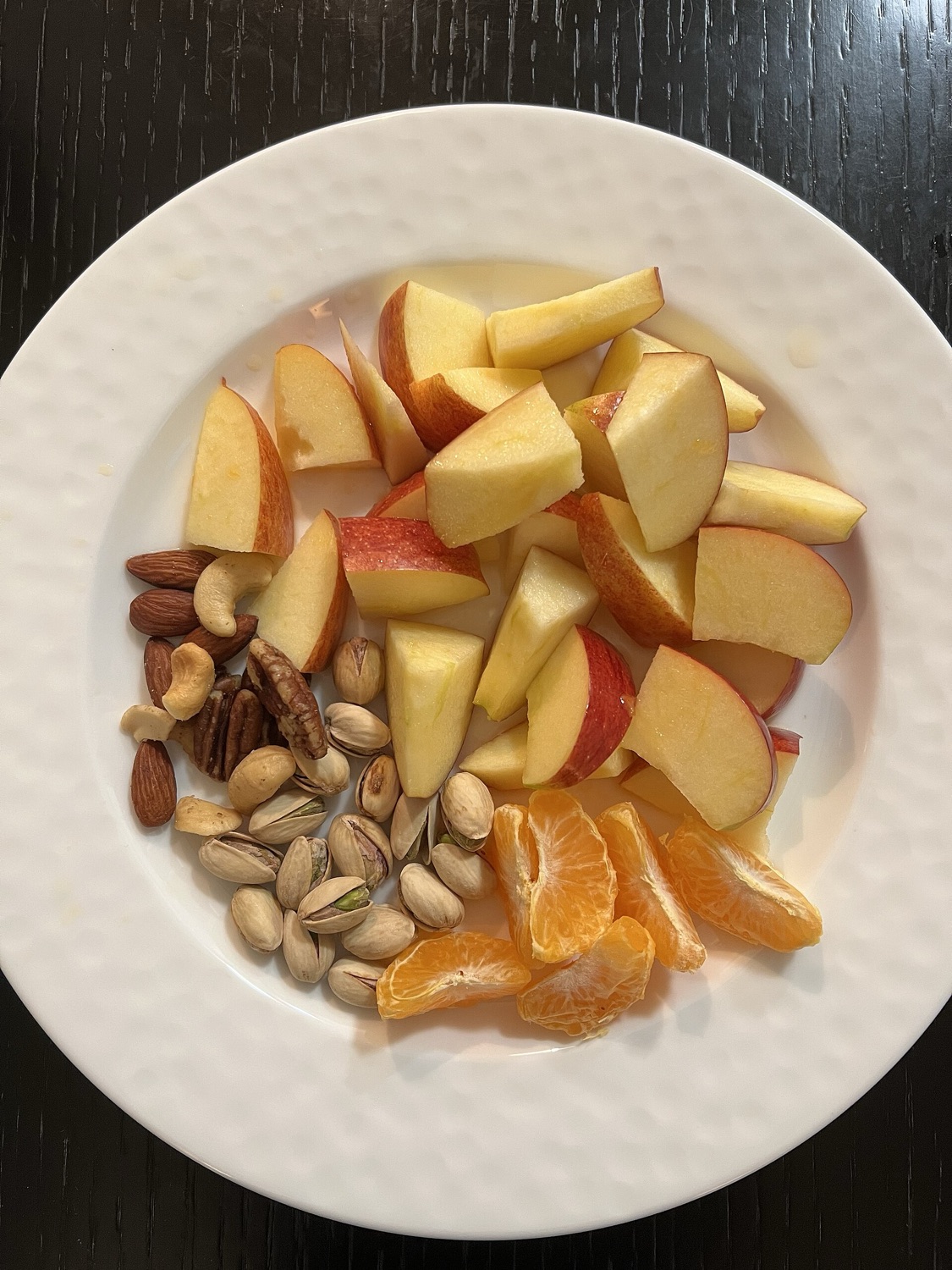
Give it a full term before judging. Most children have a wobbly week or two. Keep training nights predictable, pack water and a light snack (our training-night snack ideas help), and praise effort rather than belts. The belt is a by-product; the habits are the real prize.